A Four-Paper Series on Transforming Civilization Through Universal Love
A Call to Spiritual Practitioners and Conscious Communities
Breaking Free from Totalitarian Democracy – Understanding Our Present Crisis
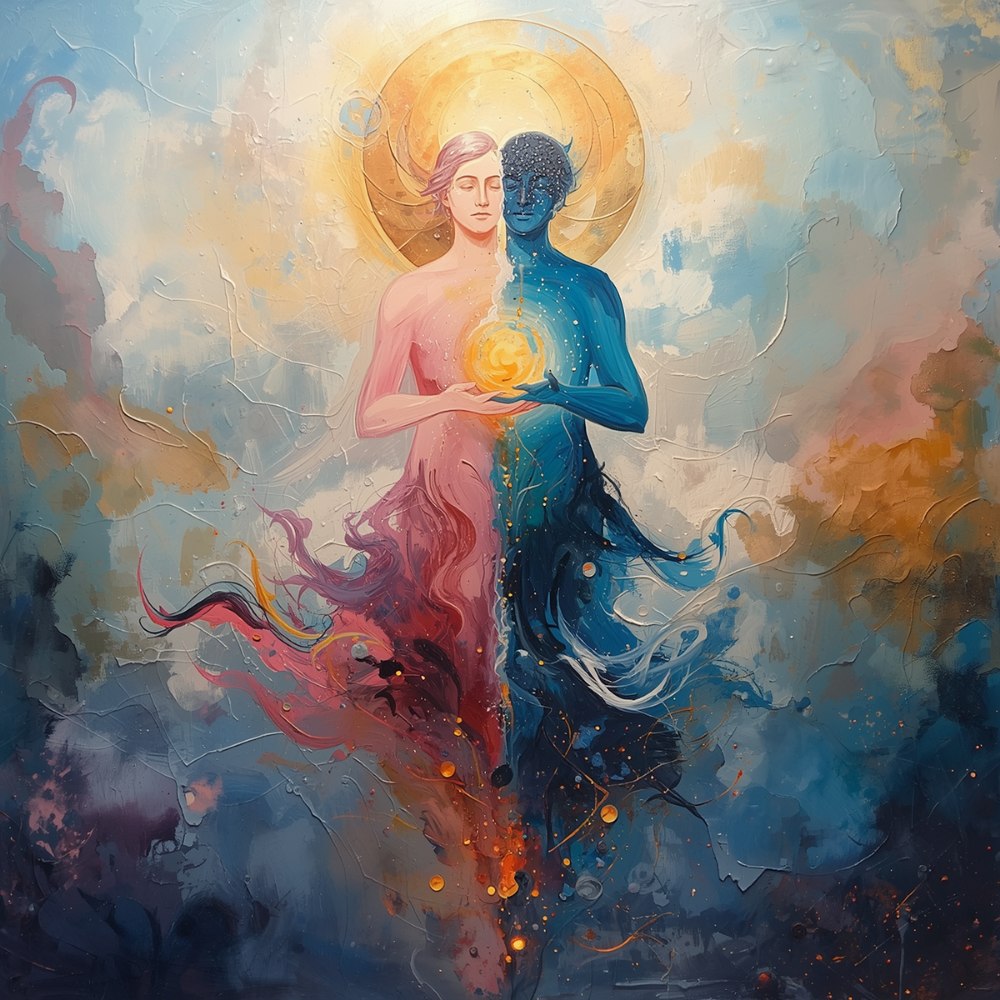
“The sacred union of Divine Feminine and Divine Masculine energies, must be restored within us and our world. The same union that isrevealed in the Tree of Life. Humanity circles through the same karmic lessons, lifetime after lifetime. We do this until we awaken to our true nature as co-creators with the Divine. The time has come to weave the new reality with our conscious intention and magical will.” High Priestess
Introduction: The Great Awakening from the Great Deception
Fellow seekers, spiritual practitioners, and conscious souls, we stand at the precipice of the most significant transformation in human history. What appears to be political chaos and social breakdown is actually the death throes of a civilization. On that has forgotten its sacred purpose. The totalitarian democracy that now governs much of the Western world represents a fundamental inversion of cosmic order. A rejection of the divine principle of Agape that seeks to connect all beings in unconditional love.
This paper serves as both diagnosis and prophecy. We must first understand the depth of our current crisis before we can midwife the birth of the new world. The symptoms we see around us like the nihilism of youth, and the atomization of communities. Even the obsession with quantified existence, are all not random cultural phenomena. They are the inevitable result of a civilization that has systematically severed itself from the wellspring of life itself.
As practitioners of ancient wisdom traditions, we recognize these patterns. Every great spiritual teaching warns of times when humanity would lose its way. When the sacred would be profaned, and love would grow cold. When artificial systems would attempt to replace the organic flow of divine order. We are living in such times. But we are also living in the times of great opportunity. The moment when those who remember can step forward to guide humanity home.

The Diagnosis: Recognizing the Shadow of the 21st Century
The Completion of a Dark Cycle
Our current moment represents what we might call the completion of the “long 20th century”. An era that began with the mechanized slaughter of World War I. And is ending with the spiritual and political crisis we face today. This century cast an overwhelming shadow over human consciousness. Introducing concepts and assumptions that previous generations would have recognized as fundamentally insane.
An astute observation noted is we have gained certain beliefs. A premise that “a man and a woman can be the same without a balance of feminine and masculine internal energies. That we can print infinite money sustainably and have infinite disposable production with no consequences. And that culture or nation grounded in human connection doesn’t matter.” These are not merely political opinions. They are the symptoms of a profound disconnection from reality itself. The kind of disconnection that occurs when consciousness becomes severed from its source.
In the 20th century we have created a “god complex” in human civilization. With the unprecedented technological power, and the rapid pace of change. And with the near-utopian material conditions it produced. We have begun to believe that we could remake reality according to our desires. That natural laws were suggestions rather than cosmic principles. And that consciousness itself was merely an emergent property of matter that could be manipulated at will.

The Anatomy of Totalitarian Democracy
What we are experiencing today is a form of totalitarian democracy. A system that maintains the forms of democratic participation while ensuring that all meaningful choices lead to the same outcome. The expansion of state power and the weakening of organic social bonds.
This system operates through several key mechanisms:
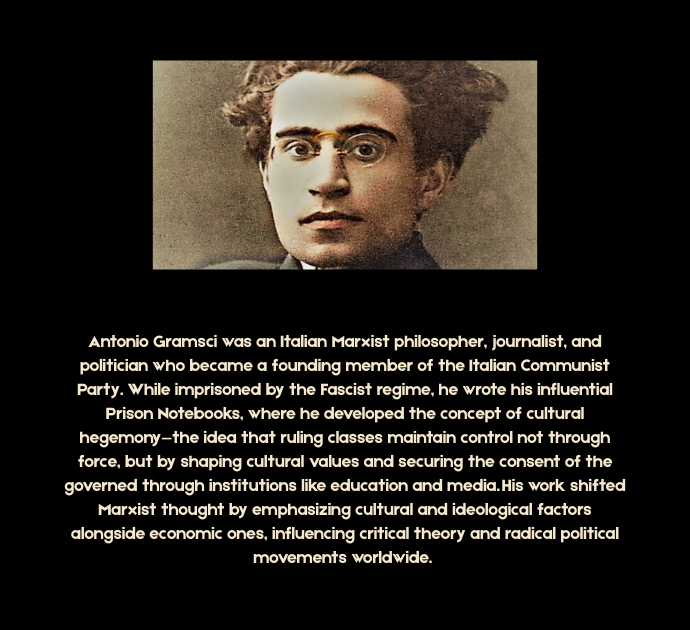
Cultural Hegemony: Rather than ruling through force, this totalitarianism rules through culture. It controls the stories we tell, and the art we create. The values we celebrate, and the very language we use to describe reality. This is what Antonio Gramsci understood, that lasting political control requires cultural control. When the culture is captured, resistance becomes nearly impossible because people can no longer imagine alternatives.
Institutional Capture: Includes every major institution. Universities, corporations, media, entertainment, and increasingly even religious organizations. They have been co-opted to serve the same ideological framework. This creates an echo chamber where dissent is not violently suppressed but simply rendered invisible and irrelevant.
Atomization and Dependency: Traditional sources of meaning, identity, and mutual support. Includes also family, local community, religious congregation, craft guilds, and neighborhood associations. They have all been systematically weakened. In their place, individuals are offered direct relationships with massive, impersonal institutions. The corporation, the university, the therapeutic state, and the digital platform.
The Tyranny of the Therapeutic: Personal problems are pathologized and medicalized. Removing them from the realm of moral and spiritual development. This creates populations that are simultaneously hyper-individualistic and completely dependent on expert management of their inner lives.
Digital Displacement: The replacement of physical community with virtual community has severed the subtle energetic bonds. The bonds that naturally form between souls sharing space and purpose. We are social beings designed for physical presence, touch, shared meals, and collective ritual. Digital interaction, no matter how sophisticated, cannot replace these fundamental human needs.
The Nihilistic Generation: Understanding the Zombie Effect
Perhaps the most tragic symptom of our current crisis is what we see in the youngest generations. There is one critical observation. It is that they seem to have their life force drained from the sacred wells of human connection. No longer drawn to weave the bonds of love, or birth new souls into being. To serve the collective good, or channel divine creativity through art and song. It is as if their spirits have been captured by some shadow zombie magic. The organizing principle within them lies dormant, as if their spiritual DNA has been scrambled. They walk without the compass of belief. Without the sacred mirror of self-worth, or the prophetic dreams that call the soul to its destiny.
This is not a failure of individual character. It is a predictable outcome. One of being raised in a civilization that has systematically destroyed the conditions necessary for healthy human development. Consider what we have done to the young:

Severed from Nature:
Most young people today have never experienced unstructured time in natural environments. They have never learned to read the subtle communications of the living world. Or felt their place in the web of life.
Removed from Purpose:
Traditional rites of passage that helped young people understand their unique gifts and calling in life have been replaced. Substituted with standardized testing and college admission processes that reduce them to abstract metrics.
Isolated from Elders:
Our wisdom traditions have been broken. Like the ones that were once passed from grandmother to granddaughter. Communicated from master craftsman to apprentice. Shared from elder to youth. Young people receive information but not wisdom, data but not meaning.
Addicted to Stimulation:
Constant digital stimulation has rewired their nervous systems. Making them unable to tolerate the slower rhythms necessary for deep thought, meaningful relationships, and spiritual development.
Raised by Institutions:
Many have experienced more care and guidance from teachers, coaches, and therapists than from their own parents. This created deep attachment disorders and an inability to form lasting intimate bonds.
Fed Spiritual Junk Food:
Exposed to endless consumer choices. All while being systematically disconnected from any meaningful framework for making choices. They experience what psychologists call “choice overload” and “decision fatigue.”
The result is exactly what we see. A generation of highly educated, technically proficient individuals who are nevertheless spiritually starved. They are emotionally disconnected, and fundamentally confused about the purpose of human existence.

The Quantified Self: When the Sacred Becomes Metric
In the absence of genuine spiritual purpose, people have become obsessed with quantifying themselves. Step counts, calorie tracking, social media metrics, productivity apps, dating app algorithms, and every aspect of human experience is reduced to data points. Point that can be optimized.
This represents a profound spiritual crisis. The human being is not a machine to be optimized but a sacred vessel through which consciousness experiences itself. When we reduce ourselves to metrics, we lose touch with the subtle qualities that actually matter. The depth of our compassion, and the authenticity of our presence. The beauty of our unique expression, and the wisdom we’ve gained through suffering and growth.
The quantified self movement is actually a desperate attempt to create meaning in a meaning-starved culture. But because it operates within the mechanistic paradigm that created our problems, it only deepens the problem. We become alienated from our own inner knowing, constantly seeking external validation for our worth.

The Feminine Tyranny: Understanding Emotional Communism
One of the most challenging aspects of our current totalitarianism is that it operates primarily through what we might call “feminine energy gone toxic.” This is not a criticism of women or the feminine principle itself, quite the contrary. Healthy feminine energy is nurturing, receptive, intuitive, and protective. It seeks harmony and inclusion. These are beautiful and necessary qualities.
However, when feminine energy becomes unbalanced by the absence of healthy masculine energy it can become tyrannical in a unique way. Healthy masculine energy provides direction, boundaries, and discriminating wisdom. Instead of the overt domination characteristic of masculine tyranny, feminine tyranny operates through emotional manipulation. It uses guilt, shame, and the constant demand for emotional labor from others.
Our current system exhibits many characteristics of this unbalanced feminine energy:
Emotional Regulation of Others:
Rather than allowing people to experience the full range of human emotions and learn from them, there is constant policing of emotional states. Certain feelings (anger, frustration, disappointment, sadness) are pathologized, while others (enthusiasm, agreement, optimism) are mandated.
The Victim-Savior Dynamic:
Society is organized around identifying victims who need saving and saviors who provide salvation. This creates co-dependent relationships that prevent both parties from developing genuine strength and autonomy.
Conflict Avoidance:
Healthy conflict is the kind that clarifies values, establishes boundaries, and creates authentic resolution. It is avoided in favor of surface harmony that leaves underlying tensions unaddressed.
Consensus Without Wisdom:
Decision-making processes that prioritize making everyone feel heard over making good decisions. This leads to paralysis and the tyranny of the most emotionally demanding voices.

Mothering Without Boundaries:
The desire to protect and nurture extended beyond appropriate limits, creating infantilization rather than empowerment.
The tragedy is that this unbalanced feminine energy is just as harmful to women as it is to men. Women need healthy masculine energy (whether from men or from their own inner masculine) to feel safe. Safe enough to fully express their feminine gifts. When that masculine energy is absent or suppressed, women must try to provide their own protection and direction. This exhausts them and prevents them from accessing their deeper wisdom and intuitive gifts.
The Spiritual Dimension of Political Crisis
Agape as the Antidote to Totalitarianism
To understand what we’re really facing, we must go beyond political analysis and recognize the spiritual dimensions of our crisis. At its deepest level, totalitarianism is the systematic attempt to replace divine love (Agape) with artificial substitutes.
Agape love is characterized by several essential qualities:
Unconditional Acceptance: Agape loves the other for their own sake. Not for what they can provide or how well they conform to expectations.
Respect for Sovereignty: True love honors the free will and unique path of each being. It offers support and guidance but never seeks to control or manipulate.
Service Without Attachment: Agape acts for the highest good of the other without requiring recognition, gratitude, or reciprocity.

Connection to Source: This kind of love flows from recognition of the divine spark within each being. It sees past personality, behavior, and social roles to the eternal essence that is always worthy of love.
Abundance Consciousness: Agape operates from the understanding that love is infinite. Loving one person more does not mean loving another less. There is always enough.
Totalitarianism, by contrast, operates through what we might call “anti-Agape”:
Conditional Acceptance: Love and belonging are offered only to those who conform to approved behaviors, thoughts, and identities.
Violation of Sovereignty: The system claims to know what is best for others. It seeks to override their free will “for their own good.”
Service with Strings Attached: Help is provided as a way to create dependency and obligation, not from genuine care.
Disconnection from Source: People are seen as isolated individuals whose worth is determined by their utility to the system.
Scarcity Consciousness: There is never enough love, resources, or meaning to go around, so competition and hoarding are necessary.
The Crisis of Meaning in a Post-Sacred World
We are witnessing a profound spiritual crisis that emerges when a civilization systematically destroys its connection to the sacred. Every traditional culture understood that human beings need more than material security to thrive. We need meaning, purpose, beauty, ritual, community, and connection to something greater than ourselves.
The modern world promised that science, technology, and rational thinking could replace these “primitive” needs. We were told that once we understood the material world sufficiently, we would no longer need the “crutch” of religion. We could eliminate the “superstition” of ritual, or the “limitation” of traditional community bonds.
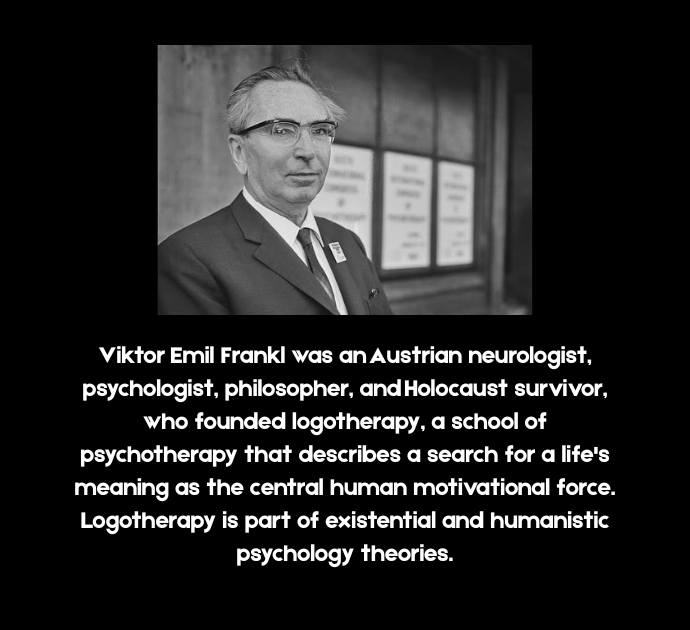
This promise has proven to be catastrophically false. Instead of creating more fulfilled human beings, we have created what the psychiatrist Viktor Frankl called an “existential vacuum”. A deep sense of meaninglessness that no amount of material prosperity can fill.
The symptoms of this existential vacuum are everywhere:
Epidemic Depression and Anxiety: Despite unprecedented material prosperity and technological convenience, rates of depression, anxiety, and suicide continue to climb.
Substance Abuse: People are medicating spiritual pain with alcohol, drugs, prescription medications, and behavioral addictions.
Relationship Breakdown: Unable to form lasting intimate bonds, people cycle through relationships or avoid them altogether.
Work Dissatisfaction: Despite having more career options than any generation in history, people report feeling trapped in meaningless jobs.
Consumer Addiction: Constant shopping and acquisition as an attempt to fill the inner emptiness.
Digital Escapism: Spending increasing amounts of time in virtual worlds to avoid facing the emptiness of their actual lives.
The Role of Traditional Religion in the Crisis
It’s important to understand that the collapse of traditional religious institutions has played a major role in creating our current crisis. This doesn’t mean we need to return to the past. We must understand what we have lost and find new ways to meet these genuine human needs.
Traditional religions provided several essential functions:
Cosmological Framework: A story about the nature of reality, humanity’s place in it, and the meaning of life.
Moral Guidance: Clear principles for ethical behavior based on understanding of cosmic law rather than social convenience.
Community Structure: Regular gatherings that created bonds between people who might not otherwise connect.
Ritual and Ceremony: Practices that marked important transitions and helped people connect with deeper dimensions of reality.
Comfort in Suffering: Resources for dealing with the inevitable pain, loss, and death that are part of human experience.
Higher Purpose: A sense that individual life is part of something greater and more meaningful than personal gratification.
When these functions disappeared from society without being replaced by anything adequate, the result was predictable. The widespread despair, nihilism, and susceptibility to totalitarian ideologies that promise to fill the void.
The tragedy is that many people, especially intellectuals, believed that discarding religion would liberate them from superstition and oppression. Instead, it left them vulnerable to much more primitive and destructive forms of magical thinking. The same psychological needs that were once met by mature religious traditions are now being exploited by political ideologies. Like consumer marketing, and social media algorithms.
Understanding the Hunger for Transcendence
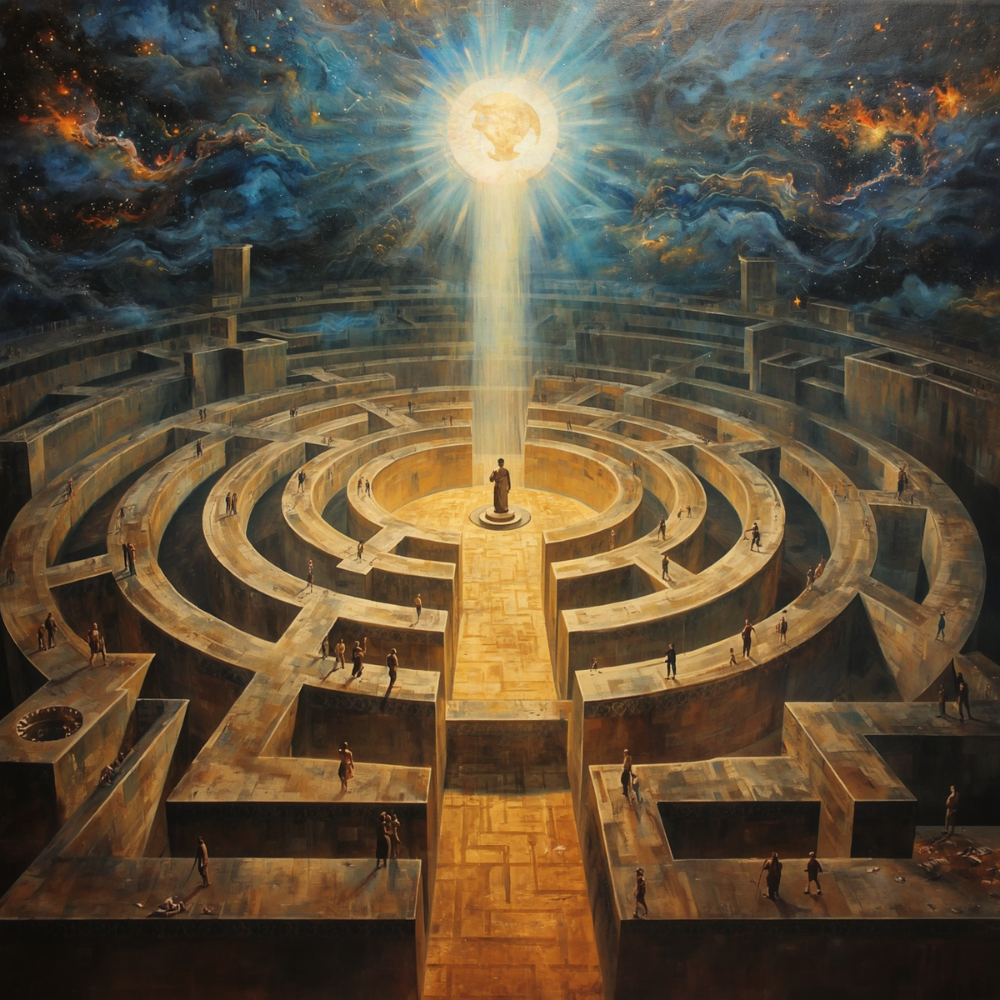
One of the most important insights for understanding our current situation is that it isn’t weakness to hunger for transcendence. Not a failure of rational thinking to want connection to something greater than the individual self. It is a fundamental aspect of human nature, as basic as the need for food, shelter, and companionship.
This hunger manifests in many ways:
The Search for Peak Experiences: People seek intense experiences through extreme sports, music festivals, or even psychedelic drugs. Sometimes other means that temporarily dissolve the boundaries of ordinary consciousness.
The Appeal of Causes: There is an attraction to political movements, environmental activism, or social justice work. It often stems from the desire to be part of something meaningful and important.
Spiritual Seeking: There is an explosion of interest in meditation, yoga, alternative healing, and indigenous practices. Even other spiritual approaches. This reflects the same hunger.
Conspiracy Theories: Even the attraction to conspiracy theories can be understood as a desire for a more meaningful narrative. They are materialistic explanations offered by mainstream culture.
Celebrity Worship: The fascination with famous people often represents a displaced religious impulse. The need for figures who seem to embody something greater than ordinary existence.
The problem is not that people seek transcendence. It is that we are in a culture that has systematically destroyed legitimate paths to transcendence. This makes them vulnerable to counterfeits and manipulations.
Why Traditional Political Solutions Fall Short
The Limitation of Left-Right Thinking
Most political discourse today operates within a framework that is itself part of the problem. The left-right political spectrum assumes that our problems can be solved through the right policies. Implemented by the right leaders, al within the existing institutional framework. This approach, no matter how well-intentioned, cannot address what is fundamentally a crisis of consciousness.
Both traditional conservative and liberal approaches remain trapped within the paradigm that created our crisis:
Materialism: Both sides assume that the primary goal of politics is to optimize material conditions. Whether through free markets or government programs.
Institutionalism: Both sides place their faith in large-scale institutions. Whether corporate or governmental, to solve problems. Ones that are actually rooted in the breakdown of organic community relationships.
Externalism: Both sides look for external solutions to problems that are ultimately internal. Problems of meaning, purpose, values, and spiritual development.
Nationalism: Both sides operate within the framework of the nation-state. It in itself is a relatively recent historical development that often conflicts with more natural forms of human organization.
Anthropocentrism: Both sides assume that human beings are separate from and superior to the natural world. Rather than recognizing our embeddedness in and dependence on the larger web of life.
The Deeper Problem: Consciousness Itself
The real issue we face is not political but ontological. A question of what kind of beings we understand ourselves to be. And what kind of relationships are possible between conscious beings.
The dominant worldview of modern civilization rests on several assumptions that are not just incorrect but actively harmful:
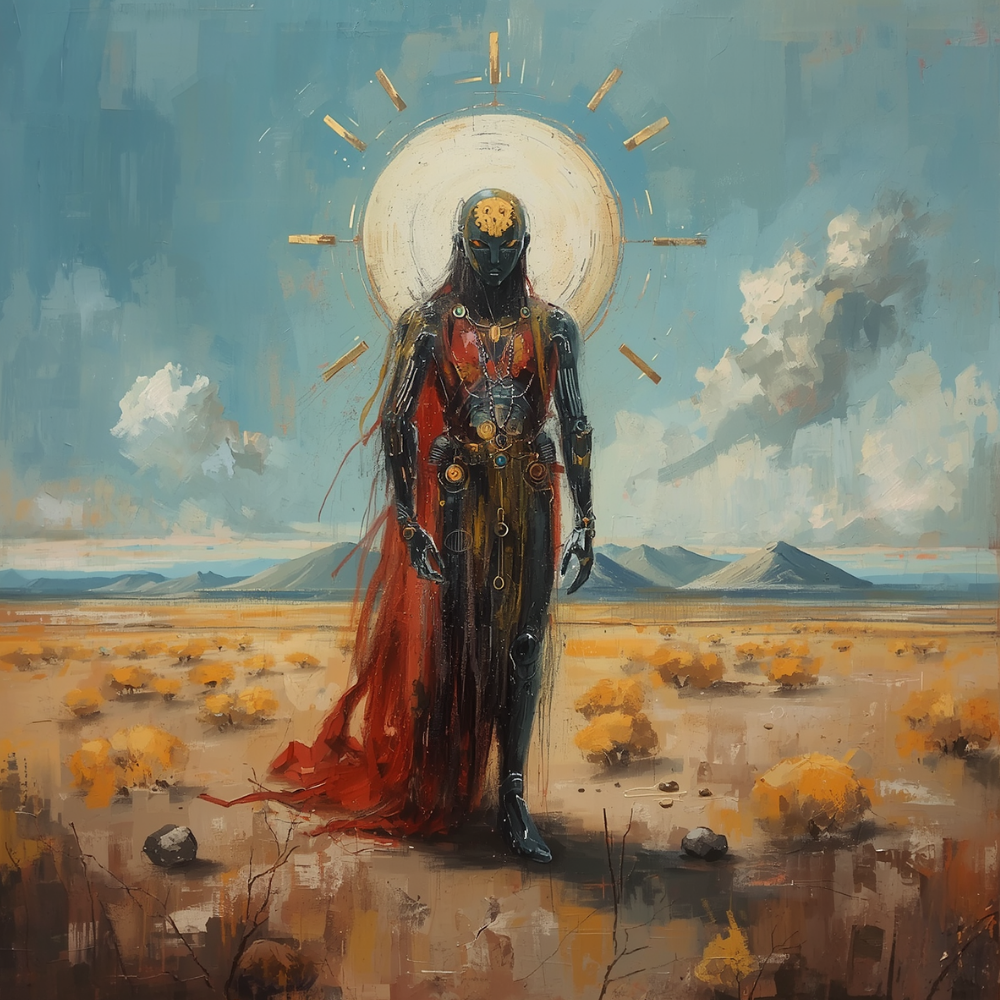
Materialist Reductionism: The belief that consciousness is merely an emergent property of matter, with no independent reality or causal power. This leads to treating human beings as biological machines rather than sacred beings.
Mechanistic Thinking: The assumption that complex systems can be understood and controlled through the same methods used for simple machines. This ignores the organic, self-organizing nature of living systems.
Individualistic Atomization: The belief that individual human beings are separate, independent entities whose relationships are essentially contractual. This ignores the fundamental interdependence and interconnection of all life.
Progressive Linearism: The assumption that change always represents progress and that newer is automatically better. This prevents us from learning from traditional wisdom and creates a destructive bias toward novelty.
Rational Supremacy: The belief that rational, analytical thinking is the highest form of human cognition. And that other ways of knowing, intuitive, emotional, somatic, & spiritual, are inferior or irrelevant.
These assumptions create a worldview that is not just wrong but psychologically and spiritually toxic. People living within this framework inevitably experience alienation, meaninglessness, and despair, exactly what we see around us.
The Impossibility of Technical Solutions to Spiritual Problems
Perhaps the most fundamental error of contemporary political thinking is the assumption that technical solutions can address spiritual problems. This leads to an endless cycle of policy prescriptions that, even when successfully implemented, fail to address the underlying issues.

Consider some examples:
Economic Inequality: The standard approaches focus on tax policy, minimum wage laws, and wealth redistribution. These may be necessary interim measures. But they don’t address the deeper question. Why do we organize economic life in ways that create such extreme inequality in the first place? The real issue is that we have lost the understanding that economic activity should serve human flourishing. For ecological health, not abstract financial growth.
Environmental Destruction: The typical solutions involve regulations, carbon taxes, and technological innovations. These may help slow the destruction, but they don’t address the underlying consciousness. The one that sees nature as a collection of resources to be exploited. Rather than a sacred web of life to be honored and protected.
Social Fragmentation: The usual approaches focus on programs to encourage civic participation, community organizing, and social services. These may help at the margins, but they don’t address the deeper atomization created by economic systems. The systems that require geographic mobility, and family structures that isolate nuclear families from extended networks. Cultural values that prioritize individual achievement over collective wellbeing.
Mental Health Crisis: The standard response involves more therapists, better medication, and improved access to treatment. These may help individuals cope. But they don’t address the meaninglessness. The isolation, and spiritual starvation that are creating the crisis in the first place.
The Need for Paradigmatic Transformation
What we actually need is not better policies but a fundamental transformation in how we understand reality itself. This is what philosophers call a “paradigm shift”. A change so basic that it affects every aspect of how we think, feel, and act.
This transformation must happen at multiple levels simultaneously:
Individual Consciousness: People must rediscover their own spiritual nature and learn to access inner guidance, wisdom, and love.
Interpersonal Relationships: We must learn to relate to each other as sacred beings. Ones worthy of unconditional love and respect, rather than as competitors for scarce resources.

Community Organization: We must create social structures that support human flourishing and spiritual development, rather than merely economic productivity.
Economic Systems: We must develop ways of meeting material needs that enhance rather than degrade the web of life.
Political Governance: We must create decision-making processes that honor both individual sovereignty and collective wisdom.
Cultural Expression: We must foster art, music, literature, and ceremony that connect us with beauty. Of meaning, and the sacred dimensions of existence.
This kind of transformation cannot be imposed from above through legislation or institutional reform. It must emerge organically from individuals and communities. Those who have done the inner work necessary to embody a different way of being.
The Path Forward: Agape as Revolutionary Force
Understanding Agape as Active Principle
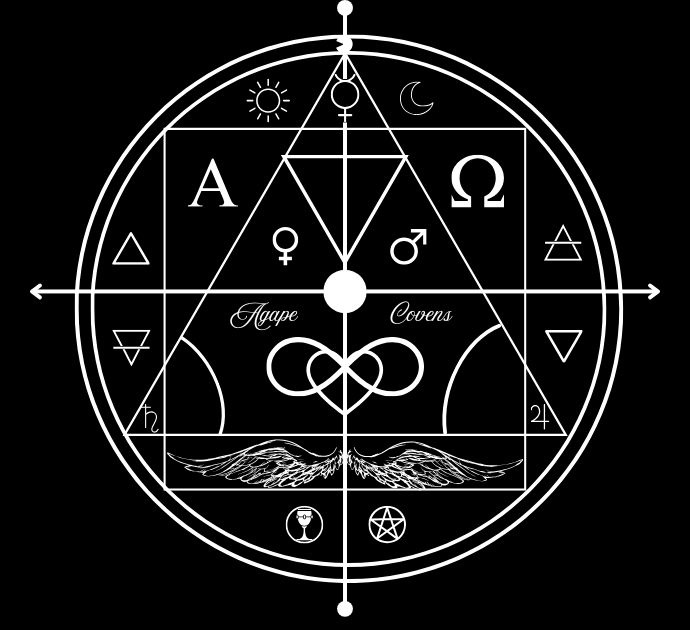
Agape is not passive sentiment but active principle. It is not merely an emotion we feel but a way of being that transforms everything it touches. To embody Agape consciousness is to become a revolutionary force in the most fundamental sense. Not someone who seeks to overthrow existing structures through violence. Those who make those structures irrelevant by demonstrating a more beautiful alternative.
When we truly understand Agape, we realize that it is the foundation of all genuine love. Eros (romantic love), Storge (familial love), and Philia (friendship love). All reach their highest expression when they are grounded in Agape, the recognition of the sacred worth of each being.
This has profound practical implications:
Intimate Relationships: We don’t seek partners to complete us or make us happy. We offer ourselves as vehicles for love to express itself. Relationships become opportunities for mutual spiritual growth rather than mutual ego satisfaction.
Parenting: Helping children discover and develop their own unique gifts and calling. Not trying to shape children to fulfill our expectations or dreams.
Work: Seeking ways to contribute our gifts in service of the collective good. Instead of pursuing careers primarily for money, status, or security.
Community: We look for ways to serve the needs of the whole while trusting that our genuine needs will be met through the web of mutual care.
Political Action: Working to create conditions where the highest potentials of all beings can flourish. Instead of trying to defeat enemies or impose our will on others
The Practice of Revolutionary Love
To embody Agape consciousness requires specific practices that gradually transform our habitual patterns of thinking, feeling, and acting. These practices are simultaneously spiritual and political, personal and collective.
Meditation and Contemplation: Regular practices that help us connect with the source of love within ourselves and recognize it in others. This might include silent meditation, contemplative prayer, or nature connection. It could be other practices that quiet the ego-mind and open us to deeper dimensions of reality.
Shadow Work: The courageous process of examining and integrating the parts of ourselves we have rejected or denied. Until we can love our own shadows, we will inevitably project them onto others. We will perpetuate the cycles of blame and scapegoating that maintain oppressive systems.
Forgiveness Practice: Learning to release resentment and blame. Not because others’ actions were acceptable, but because carrying anger and hatred poisons our own hearts. It prevents us from accessing our full power to create positive change.

Compassionate Communication: Developing skills for expressing our truth and hearing others’ truth in ways that create understanding rather than defensiveness. This includes learning to separate observations from interpretations, needs from strategies, and requests from demands.
Service Without Attachment: Offering our gifts and resources because we are called to serve. Not for dependency or obligation. This includes learning to receive gracefully when others offer their gifts to us.
Community Building: Creating and participating in groups that embody the values we wish to see in the larger world. This might include intentional communities, and spiritual communities. Mutual aid networks, or other forms of voluntary association based on love rather than law.
The Ripple Effects of Embodied Love
When individuals begin to embody Agape consciousness consistently, something remarkable happens. They become sources of transformation that affect everyone around them. This is not because they are trying to change others, but because authentic love is inherently attractive and inspiring.
People who embody Agape typically demonstrate certain qualities:
Presence: They are fully present in their interactions, giving others the rare gift of complete attention.
Acceptance: They meet others where they are without trying to fix, change, or improve them. This paradoxically creates space for authentic growth.
Authenticity: They express their truth with kindness but without compromise, modeling the integration of honesty and love.
Generosity: They give freely of their time, attention, resources, and gifts, not from obligation but from overflow.
Joy: They exhibit a quality of joy and aliveness that comes from being aligned with their deepest purpose.
Wisdom: They speak and act from a deeper knowing that transcends mere intellectual understanding.
Courage: They are willing to take risks and make sacrifices for what they believe is right. All without needing guarantees of success or recognition.
These qualities are attractive because they represent the fullest expression of human potential. When people encounter someone who embodies these qualities consistently, they remember their own deepest nature. And are inspired to develop it more fully.

Building the New World in the Shell of the Old
The transformation we seek cannot wait for the collapse of existing systems. We must begin now to create the new world within the shell of the old. Demonstrate through our lives and communities that another way is possible.
This requires what we might call “constructive program”, the positive work of building alternatives rather than merely criticizing what exists. Some examples include:
Alternative Education: Creating learning environments that honor the whole child and help young people discover their unique gifts and calling. This might include homeschooling cooperatives, democratic schools, or nature-based programs. Maybe even apprenticeship models that connect learning with real contribution to community life.
Regenerative Economics: Developing economic practices that enhance rather than degrade the web of life. This might include permaculture, community-supported agriculture, or worker cooperatives. Local currencies, gift economies, or other approaches that prioritize human and ecological wellbeing over abstract financial growth.
Conscious Community: Creating living situations that support both individual development and collective flourishing. This might include intentional communities, cohousing projects, extended family compounds, or neighborhood mutual aid networks.
Holistic Health: Developing approaches to health and healing that address the whole person, physical, emotional, mental, and spiritual. This might include traditional healing arts, energy medicine, somatic practices, or integrative approaches. Ones that combine the best of ancient wisdom and modern science.
Restorative Justice: Creating ways of addressing harm and conflict that focus on healing and restoration rather than punishment and revenge. This might include restorative circles, mediation programs, or community accountability processes.
Sacred Arts: Fostering creative expression that connects people with beauty, meaning, and the sacred dimensions of existence. This might include community art projects, participatory music and dance, storytelling circles, or ritual and ceremony. Ones that mark important transitions and celebrations.

The Role of Spiritual Practitioners as Cultural Healers
Those of us who have been called to spiritual practice have a special responsibility in this time of transition. We have been given tools and understandings that are desperately needed for the healing of our world. We cannot keep these gifts to ourselves or use them only for personal development. Our calling is to be cultural healers, mid-wiving the birth of a new civilization based on love rather than fear.
This role requires several specific commitments:
Embodiment: We must demonstrate through our lives that the principles we teach actually work. People are hungry for authentic examples of transformed consciousness, not more theories and concepts.
Integration: We must learn to integrate spiritual insight with practical action, transcending the false separation between “spiritual” and “worldly” concerns.
Courage: We must be willing to speak truth even when it is unpopular. To take a stand even when it is costly, and to persist even when progress seems slow.
Humility: We must remain open to learning and growing, recognizing that we are all students in the school of love.
Collaboration: We must work together across different traditions and approaches. Recognizing that the task before us is too large for any individual or group to accomplish alone.
Conclusion: The Time of Great Choosing
We stand at a moment of unprecedented choice. The old world is dying and we have a choice. We can either participate in its death throes or midwife the birth of something new and beautiful. The totalitarian democracy that currently rules much of the world is not sustainable. It is already showing signs of collapse under the weight of its own contradictions.
The question is not whether change will come, but what kind of change it will be. Will it be the collapse into chaos and authoritarianism that historically follows the breakdown of complex civilizations? Or will it be a conscious evolution into new forms of human organization. Ones based on wisdom, love, and respect for the sacred nature of life?
The Answer Depends on Us
On those who remember, and have awakened. On those who carry the vision of what humanity can become when it aligns with its highest potentials. We are the bridge between the dying civilization and the one struggling to be born. We are the ones who can demonstrate that another way is possible.
But we must act now. We cannot wait for permission or for conditions to be perfect. We must begin where we are, and with what we have. Do this in service of the love that seeks to express itself through us.
The future truly is ours to create. Our children and descendants are counting on us to have the courage to step into our full power as agents of transformation. The time of waiting is over. The time of building has begun.
May we be worthy of the love that seeks to transform our world through us.
These papers are offered as seeds for contemplation and action. May they take root in fertile hearts and flourish into communities of light that illuminate the path for all humanity.
The Agape Revival of Universal Love: Paper 2
High Priestess Agape Covens
Founder of the Crossroads Movement