

Reclaiming Personal Power in a Culture of Blame
A White Paper on Individual Accountability and the Path Beyond Victimhood
Introduction
We stand at a crossroads in human consciousness. Never before have we possessed such unprecedented access to information, resources, and opportunities for personal growth. Yet paradoxically, we witness an escalating culture of blame, external attribution, and victimhood that permeates every level of society. An epidemic lies inside individual relationships, global discourse, workplace dynamics and social movements. The tendency to locate responsibility outside ourselves has become commonplace and institutionalized.
This white paper examines the psychological, social, and spiritual dimensions of victimhood culture. It explores how the abdication of personal responsibility creates cycles of disempowerment that affect individuals, communities, and society at large. More importantly, it presents a framework for reclaiming individual sovereignty. The recognition that true power is in taking full ownership of our responses, choices, and growth. Not in controlling external circumstances.
The arguments presented here are not meant to dismiss genuine injustice or systemic challenges. They are to illuminate how our relationship to adversity determines whether we emerge strengthened or diminished by life’s inevitable difficulties.

The Architecture of Victimhood Culture
Defining the Phenomenon
Victimhood culture represents a fundamental shift in how individuals and groups relate to adversity, challenge, and personal agency. It allows blame-shifting, excuse-making and self-pity to keep people from being accountable for their own actions. Creating a framework where external forces are consistently viewed as the primary determinants of one’s circumstances and outcomes.
This culture is characterized by several key elements:
External Focus of Control: The belief that life outcomes are primarily determined by forces beyond one’s influence. Like other people, societal structures, economic systems, or historical events. This perspective fundamentally undermines the individual’s sense of agency and capacity for self-determination.
Identity Through Suffering: Victimhood culture emphasizes personal suffering as a key identity component. One that is directly tied to being a member of a marginalized group. Rather than viewing challenges as temporary obstacles to overcome, individuals begin to define themselves through their struggles. They create a psychological investment in maintaining victim status.
Competitive Grievance: The emergence of what researchers term “competitive victimhood.” This is where individuals and groups compete to establish the legitimacy and severity of their suffering. They do this by creating hierarchies of oppression that paradoxically divide rather than unite those facing genuine challenges.
Responsibility Deflection: A systematic pattern of attributing personal failures, disappointments, and setbacks to external causes. All while simultaneously diminishing acknowledgment of personal choices, habits, and behaviors that contribute to outcomes.

The Psychological Substrate
Understanding victimhood culture requires examining the psychological mechanisms that make it attractive to individuals. At its core, victimhood provides several psychological benefits that can become addictive:
Protection from Accountability: Individuals protect themselves from the discomfort of acknowledging their own contributions to their circumstances. This is done by locating external accountability. This provides short-term emotional relief but long-term disempowerment.
Moral Superiority: Victim status often confers a form of moral authority. This allows individuals to critique and judge others from a position of assumed righteousness. All without examining their own behaviors or motivations.
Attention and Resources: In many social and institutional contexts, victim status attracts sympathy, support, and resources. This creates perverse incentives that reward helplessness over empowerment.
Avoidance of Risk: Taking responsibility requires taking risks. The risk of failure, and discovering one’s own limitations. The risk of having to change comfortable patterns. Victimhood eliminates these risks by making effort seem futile.

The Individual Cost of Victimhood
Psychological Imprisonment
When individuals consistently attribute their circumstances to external forces, they create what can only be described as a psychological prison. The bars of this prison are not made of steel, but of beliefs. The belief that one is powerless and others are responsible for one’s happiness. That change is impossible without external intervention.
This mental framework creates several devastating consequences:
Learned Helplessness: Repeated attribution of outcomes to external forces literally rewires the brain to expect powerlessness. Individuals begin to give up before trying, convinced that their efforts are meaningless in the face of overwhelming external obstacles.
Emotional Volatility: When one’s emotional state depends entirely on external circumstances and other people’s behaviors, emotional stability becomes impossible. The individual becomes a leaf in the wind, tossed about by every external change or perceived slight.
Relationship Dysfunction: Victimhood mentality poisons relationships by creating impossible expectations. Partners, friends, and family members are expected to manage the victim’s emotional state. To take responsibility for their happiness, and continuously prove their worth through accommodation and appeasement.
Spiritual Stagnation: Perhaps most tragically, victimhood culture prevents the spiritual growth that comes from facing adversity with courage and responsibility. The challenges that could serve as catalysts for wisdom, strength, and compassion instead become sources of resentment and stagnation.

The Competence Atrophy
One of the most insidious effects of victimhood culture is what we call “competence atrophy”. The gradual erosion of practical skills, emotional resilience, and problem-solving capacity. It occurs when individuals consistently look outside themselves for solutions.
Like muscles that weaken without use, the psychological and practical capacities required for self-reliance begin to deteriorate. Individuals lose confidence in their ability to navigate challenges, make decisions, or create positive change in their lives. This creates a self-reinforcing cycle where decreased competence leads to increased dependence, which further reinforces victim identity.
The Social Contagion of Blame
Institutional Enablement
Modern institutions—educational, therapeutic, political, and corporate—have inadvertently created systems that reward and reinforce victimhood rather than empowerment. Well-intentioned efforts to address inequality and provide support have sometimes morphed into mechanisms that incentivize helplessness.
Educational institutions that focus more on identifying oppression than building resilience. They create graduates who are skilled at diagnosing problems but ill-equipped to solve them. Therapeutic approaches that emphasize trauma without equally emphasizing recovery and empowerment can trap individuals in perpetual patient status. Political movements that gain power through grievance rather than solutions become invested in maintaining the problems they claim to address.
The Therapy Industrial Complex: We know that legitimate therapy serves a crucial role in healing. But the expansion of therapeutic language and concepts into everyday life has sometimes pathologized normal human challenges and emotions. The tendency to label every difficulty as trauma and every disagreement as abuse dilutes the meaning of these terms. All while encouraging individuals to see themselves as damaged rather than capable of growth.
Educational Disempowerment: Our educational systems emphasize systemic oppression without equally emphasizing personal agency. It causes them to create a generation of individuals who are adept at identifying problems but feel powerless to create solutions. Students learn to see themselves as products of their circumstances rather than agents of change.
Political Instrumentalization: Our political movements depend on maintaining victim status for their members. This causes them to develop a vested interest in preventing the empowerment they claim to pursue. Success becomes problematic because it threatens the narrative that justifies the movement’s existence.

The Economic Dimension
Victimhood culture has significant economic implications that are rarely discussed. When individuals adopt a victim mentality, they often develop patterns of behavior that perpetuate economic disadvantage:
Work Ethic Deterioration: There is a belief that success is determined by external factors rather than effort. That competence leads to decreased motivation and lower performance standards. Why excel if the system is rigged against you?
Opportunity Blindness: Victims become skilled at identifying obstacles but lose the ability to recognize opportunities. This same economic environment presents insurmountable barriers to the victim-minded individual. It offers themn numerous possibilities to someone with an ownership mentality.
Resource Misallocation: It is difficult for victim minded individuals to invest their time, energy, or resources into skill development. Or even in relationship building, and productive activities. Instead victim-minded individuals often focus on protest, complaint, and demand for external solutions.
Entrepreneurial Paralysis: The entrepreneurial spirit, the willingness to take risks, innovate, and create value, is antithetical to victim mentality. Societies with high levels of victimhood culture show decreased rates of business formation and innovation.
The Racial and Cultural Instrumentalization of Victimhood
The Weaponization of Historical Injustice
One of the most troubling aspects of contemporary victimhood culture is how historical injustices have been weaponized. All to justify present-day irresponsibility and excuse poor outcomes. This represents a profound disservice to those who suffered genuine oppression. And to those who are currently discouraged from taking ownership of their lives.
Historical awareness should inform present action, not paralyze it. When past injustices become excuses for present inaction, we dishonor both the victims of historical oppression. The potential of current generations to transcend those limitations.
Intergenerational Victim Identity: There is a tendency to inherit victim status based on group membership rather than personal experience. This creates artificial limitations and resentments. Young people are taught to see themselves as oppressed. Usually long before they have even attempted to exercise their agency in the world.
Cultural Determinism: This is a belief that cultural background predetermines individual outcomes. It represents a form of soft racism that assumes certain groups are incapable of overcoming challenges. That others have successfully navigated.
Success Policing: Perhaps most perniciously, victimhood culture often punishes members of historically oppressed groups. Those who achieve success through personal effort, labeling them as sellouts. Even accuse them of being exceptions, or beneficiaries of privilege rather than examples of what is possible.

The Poverty of Expectations
Nothing demonstrates the destructive nature of victimhood culture more clearly than its approach to economic disadvantage. There is a tendency to encourage the empowering of individuals with tools, skills, and mindsets that enable upward mobility. Instead victimhood culture often reinforces the very patterns that perpetuate poverty.
Defeatist Messaging: There is a constant emphasis on systemic barriers. All while ignoring examples of individuals who have overcome those same barriers. This creates learned helplessness rather than inspiration and determination.
Skill Development Neglect: Time and energy spent on protest and blame could be invested in education or skill development. Or even networking and productive activities that directly improve individual circumstances.
Family Structure Dismissal: The reluctance to acknowledge the role of family structure, personal habits, and individual choices in economic outcomes. This prevents honest conversation about the factors most directly under individual control.
Dependency Normalization: The normalization of government dependency and external support as permanent solutions rather than temporary assistance. This undermines the development of self-sufficiency skills and mindsets.

The Path to Sovereignty
Reclaiming Personal Agency
The antidote to victimhood culture is not denial of challenges or dismissal of legitimate grievances. It is the cultivation of what we call “sovereign consciousness”. The recognition that regardless of external circumstances, we retain the power to choose our responses, attitudes, and actions.
Sovereign consciousness operates on several key principles:
Response-ability: The recognition that between stimulus and response lies a space of choice. No matter what happens to us, we retain the ability to choose how we respond. This choice point is where true freedom and power reside.
Internal Focus of Evaluation: Sovereign individuals develop internal standards and metrics instead of measuring success or failure with external validation. They ask not “How did others treat me?” but “How did I handle the situation?”
Growth Orientation: Challenges and setbacks are viewed as opportunities for development rather than evidence of victimization. The question becomes not “Why is this happening to me?” but “What can I learn from this?”
Contribution Focus: Rather than asking what the world owes them, sovereign individuals ask what they can contribute. This shift from entitlement to service fundamentally changes one’s relationship with life.

The Practical Framework
Transitioning from victimhood to sovereignty requires practical steps. Ones that can be implemented by any individual willing to take responsibility for their growth:
1. Accountability Inventory: Regularly examine your circumstances and identify the specific actions, choices, and patterns that have contributed to current outcomes. This is not about self-blame but about recognizing your power to create change.
2. Skill Development Priority: Invest time and energy in developing practical skills. Ones that increase your capacity to create value and solve problems. Every skill acquired is a form of personal sovereignty.
3. Relationship Audit: Evaluate your relationships based on mutual respect and reciprocity rather than rescue dynamics. Healthy relationships require two sovereign individuals, not a victim and a savior.
4. Media Diet: Consciously curate your information intake to include examples of resilience, achievement, and personal triumph. Try not to constantly reinforce of victim narratives.
5. Service Integration: Regularly engage in activities that serve others without expectation of reward. Service breaks the self-absorption that characterizes victim mentality and builds authentic self-esteem.
6. Physical Sovereignty: Take full responsibility for your physical health, fitness, and appearance. The discipline required for physical self-care builds the foundation for psychological sovereignty.

The Spiritual Dimension
True sovereignty ultimately rests on spiritual foundations. The recognition that we are more than our circumstances, more than our history, more than our group identities. Spiritual maturity involves understanding that life’s challenges are not random punishments. They are opportunities for growth, wisdom, and the development of character.
From this perspective, adversity becomes a teacher rather than an enemy. Injustice becomes a call to develop strength and resilience rather than an excuse for weakness and dependency. Setbacks become temporary obstacles to overcome rather than permanent barriers to success.
This spiritual understanding does not minimize the reality of suffering or injustice. It contextualizes these experiences within a larger framework of meaning and purpose. When we understand that our deepest growth often comes through our greatest challenges, we begin to relate differently to difficulty.

Collective Transformation
Building Accountable Communities
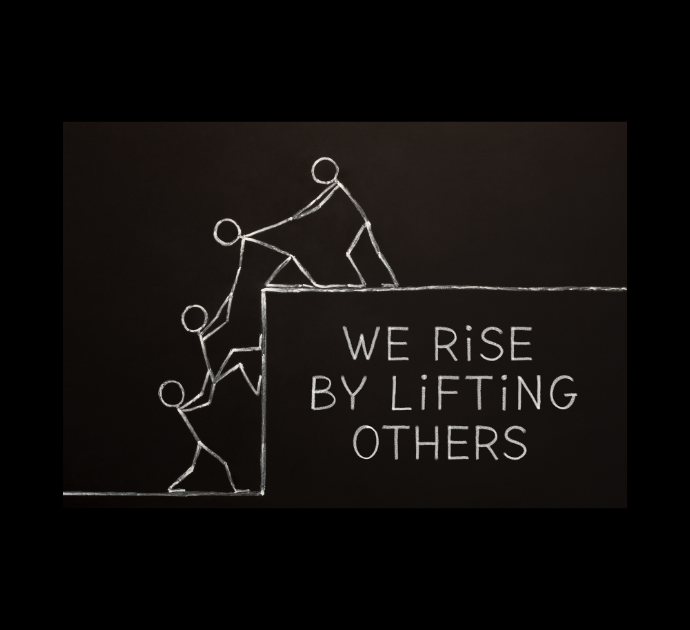
The shift from victimhood to sovereignty cannot occur in isolation. We need communities that support and reinforce personal responsibility while providing genuine care and assistance to those in need. This requires a delicate balance between compassion and accountability.
Accountable communities are characterized by:
High Expectations: Members are expected to take responsibility for their choices and outcomes. All while receiving support in developing the capacity to meet those expectations.
Skill Sharing: Rather than simply providing resources, community members actively teach and mentor each other, sharing practical skills and wisdom.
Success Celebration: Achievement through effort and integrity is celebrated rather than dismissed or attributed to privilege or luck.
Failure Reframing: Setbacks are treated as learning opportunities and temporary obstacles rather than evidence of systemic oppression or personal inadequacy.
Mutual Challenge: Community members care enough about each other to provide honest feedback and challenge self-defeating patterns.
Institutional Reform
Transforming victimhood culture also requires reforming the institutions that inadvertently reinforce it. This means:
Educational Reform: Schools should emphasize resilience, problem-solving, and personal agency alongside social awareness. Students need to learn both how to identify problems and how to solve them.
Therapeutic Evolution: Mental health approaches should balance trauma awareness with empowerment. Ensuring that understanding past wounds leads to present healing and future strength.
Political Transformation: Political movements should be judged not by how effectively they maintain grievance. But by how successfully they empower their constituents to create positive change.
Corporate Responsibility: Organizations should create cultures of accountability that support growth. Not blame cultures that punish mistakes or victim cultures that excuse poor performance.

Cultural Renewal
Ultimately, transcending victimhood culture requires a renewal of cultural values that emphasize:
Character Over Circumstances: Judging individuals based on how they handle challenges rather than the ease or difficulty of their situations.
Effort Over Outcome: Recognizing and rewarding genuine effort and improvement rather than only celebrating final results.
Growth Over Grievance: Focusing on development and progress rather than past wounds and current complaints.
Service Over Self: Emphasizing contribution to others and society rather than personal comfort and convenience.
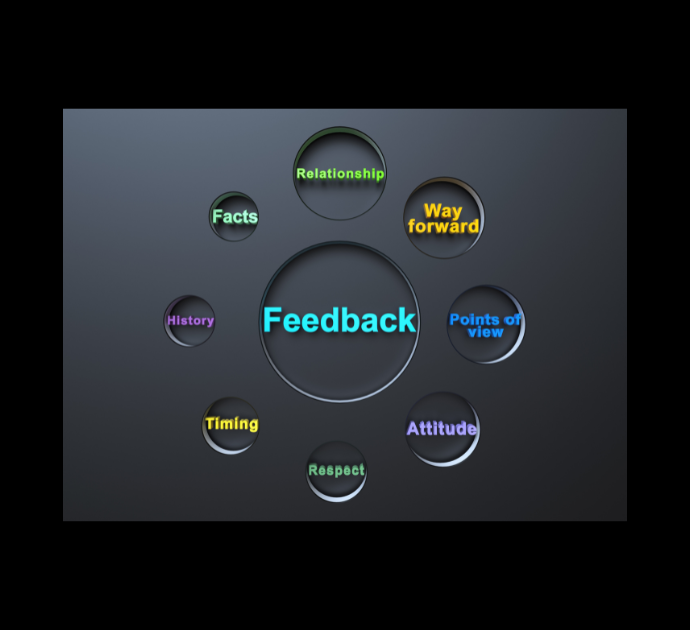
Truth Over Comfort: Valuing honest assessment and authentic feedback over protective narratives and comfortable illusions.
The Awakening of Inner Magic
The Alchemical Transformation
When an individual transcends victimhood and claims their sovereignty, something profound occurs. It goes beyond mere psychological healing or practical empowerment. A deeper transformation takes place, an awakening of what can only be described as magical consciousness. This is not magic in the sense of fantasy or escapism, it is magic in its truest form. The recognition and activation of our inherent power to influence reality through aligned intention, clear perception, and authentic action.
The journey from victim to sovereign is fundamentally an alchemical process. The lead of limitation transforms into the gold of limitless potential. The fog of blame and external attribution clears. It reveals the crystalline clarity of mind that emerges when we stop filtering reality through the lens of victimhood. This clarity is not merely intellectual, it is a full-spectrum awakening that encompasses mind, heart, and spirit.

Clarity of Mind: The Mental Liberation
Something amazing happens when we cease to maintain victim narratives. The constantly scanning for threats, making justifications for inaction, or managing the complex blame calculations. Our mental energy becomes available for higher purposes. The mind, no longer occupied with defensive strategies and excuse-making, develops what mystics have long called “mirror-like awareness”. The capacity to perceive situations with stunning clarity, free from the distortions of self-pity and resentment.
This mental clarity manifests as:
Intuitive Intelligence: The ability to perceive patterns, opportunities, and solutions that remain invisible to those trapped in victim consciousness. The mind sees the magic when it is not clouded by blame and self-pity. It becomes remarkably adept at recognizing the subtle currents of possibility that flow through every situation.
Strategic Vision: The capacity to see beyond immediate circumstances and envision long-term outcomes. Victims think in terms of problems; sovereigns think in terms of possibilities and pathways to manifestation.
Discernment: The refined ability to distinguish between what serves growth and what perpetuates limitation. It sees what is true and what is merely comfortable. Knowing what is within our power and what is not.
Creative Problem-Solving: The liberation of creative faculties that were previously constrained by the belief that external forces determine outcomes. When we know ourselves as creators rather than victims, our capacity for innovative solutions expands exponentially.

Clarity of Heart: The Emotional Mastery
Perhaps even more transformative than mental clarity is the emotional clarity that emerges from sovereignty. The magic is when the heart is no longer burdened by the heavy emotions of victimhood, like resentment, self-pity, envy, and blame. It becomes available for the higher emotions that fuel true magic: love, compassion, gratitude, and joy.
This emotional clarity creates:
Emotional Stability: We develop what spiritual traditions call “equanimity” when we emotionally let go of dependence on external circumstances. The ability to remain centered and peaceful regardless of external conditions.
Authentic Compassion: True compassion can only emerge from strength, not weakness. When we have healed our own victim wounds, we can serve others. We do that without enabling their victimhood or becoming caught in rescue dynamics.
Magnetic Presence: There is something inherently attractive about individuals who have claimed their sovereignty. They emanate a quality of authentic power and peace that naturally draws others seeking genuine guidance rather than commiseration.
Heart Coherence: Modern research has shown that emotional coherence creates measurable changes in the heart’s electromagnetic field. It extends far beyond the physical body. Sovereign individuals literally radiate a different energetic signature that can be felt by those around them.

Clarity of Spirit: The Soul’s Remembrance
The deepest transformation occurs at the spiritual level. It occurs where the soul remembers its true nature as a creative force rather than a victim of circumstances. This spiritual awakening is what transforms ordinary individuals into what we call “awakened leaders”. Those who serve not from ego or personal ambition but from a deep recognition of their responsibility. As conscious agents of positive change.
Spiritual clarity manifests as:
Connection to Purpose: The recognition that we are here not merely to survive or even to be happy. We are here to serve a larger purpose that transcends personal comfort and convenience.
Unity Consciousness: The experiential understanding that separation is an illusion. That our individual healing and empowerment contributes to the healing of the collective.
Divine Partnership: The recognition that we are co-creators with the universe itself. We are capable of manifesting outcomes that serve the highest good through aligned intention and inspired action.
Timeless Perspective: The ability to see beyond immediate circumstances and temporary setbacks. To see the larger evolutionary process of which we are all part.

The Emergence of Magical Capabilities
When mind, heart, and spirit achieve this level of clarity and alignment, what we call “magical capabilities” naturally emerge. These are not supernatural powers but the natural abilities of conscious beings operating from their full potential:
Manifestation Power: The ability to bring ideas into physical reality through focused intention, aligned action, and unwavering commitment. When we are no longer sabotaging ourselves with victim beliefs, our natural manifestation abilities can operate unimpeded.
Healing Presence: The capacity to facilitate healing in others simply through our presence and example. When we embody sovereignty, we give others permission to claim their own power.
Synchronicity Navigation: The ability to recognize and align with the meaningful coincidences and opportunities that the universe continuously provides. To those who are awake and receptive.
Energy Mastery: The skill of managing and directing our own energy consciously. As well as the ability to influence energetic environments through our presence and intention.
Prophetic Vision: The capacity to perceive the potential futures that are trying to emerge. To serve as midwives for positive change.

The Call to Conscious Leadership
From Personal Healing to Collective Service
The ultimate purpose of claiming our sovereignty is not personal aggrandizement but service to the greater whole. It develops our magical capabilities. As we heal our own victim wounds and develop our inner powers, we naturally become what the world desperately needs. Conscious leaders who can guide others from victimhood to empowerment.
This leadership is not about domination or control but about modeling possibility. Others awaken to hope and inspiration when they see someone who has transformed their pain into power. When they see them turn their limitations into gifts, and their circumstances into opportunities. It demonstrates that transformation is possible and provides a living example of what sovereignty looks like in action.

Conscious leaders operate from several key principles:
Leading by Example: Rather than preaching or lecturing, they embody the change they wish to see in the world. Their very presence becomes a teaching and an invitation.
Empowering Others: Conscious leaders focus on helping others discover and develop their own inner power and capabilities.
Serving Evolution: They recognize that we are living through a crucial time in human evolution. A time when humanity is being called to mature from victim consciousness to creator consciousness.
Holding Vision: They maintain awareness of the more beautiful world that is possible. They work tirelessly to manifest that vision through their thoughts, words, and actions.

The Ripple Effect of Transformation
Every individual who transforms from victim to sovereign creates ripples that extend far beyond their personal life. They become catalysts for change in their families, communities, and spheres of influence. They model a different way of being that challenges others to examine their own victim patterns and consider new possibilities.
This ripple effect is how worlds change, not through force or manipulation, but through the magnetic power of authentic transformation. This happens when enough individuals claim their sovereignty and develop their magical capabilities. A tipping point is reached where the entire culture begins to shift toward greater consciousness, compassion, and empowerment.
Building the More Magical World
The vision of a more magical world is not fantasy but potential reality—a world where:
Individual Sovereignty is Honored: People are recognized and valued for their unique gifts and contributions.
Authentic Power is Celebrated: True poweris the the power to create, heal, inspire, and serve. It is distinguished from false power based on domination and control.
Magical Thinking Prevails: Not magical thinking in the sense of wishful thinking or denial. It is magical thinking in the sense of recognizing our power to influence reality through consciousness and aligned action.

Collaboration Replaces Competition: When people are secure in their own sovereignty, they naturally seek to collaborate rather than compete. They recognize that everyone’s empowerment contributes to the collective good.
Beauty and Wonder are Prioritized: A magical world is a beautiful world where art, creativity, nature, and human potential are valued. Valued above material accumulation and ego satisfaction.
Love Guides Decision-Making: Choices are made based on what serves love, growth, and the highest good. Not on fear, scarcity, and self-protection.
This world is not achieved through political revolution or social engineering. It is through the individual choice of countless people to claim their sovereignty. To develop their capabilities, and serve the vision of what is possible. It is a world that emerges naturally when enough people remember who they truly are. Who begin living from that remembrance.
The Individual’s Choice
The Moment of Decision
Every individual faces moments of choice when confronted with adversity. Will I use this experience to grow stronger or to justify limitation? Will I focus on what I can control or what I cannot? Or will I take responsibility for my response or blame external circumstances?
These moments of choice are sacred opportunities for personal transformation. They represent the difference between remaining a victim of circumstances and becoming a creator of one’s destiny. The accumulation of these choices over time determines whether we live lives of empowerment or victimization.

The Courage Required
Choosing sovereignty over victimhood requires tremendous courage. It means giving up the secondary benefits of victim status, the sympathy, the excuses, the moral superiority, the reduced expectations. It means accepting full responsibility for our lives while releasing the fantasy that someone else will save us.
This courage is not the absence of fear but the willingness to act in spite of fear. It is the recognition that the temporary discomfort of taking responsibility is far preferable to the permanent limitation of victim identity.
The Freedom Achieved
The reward for choosing sovereignty is authentic freedom. It is not the absence of challenges or obstacles. But the knowledge that no external circumstance can diminish our essential dignity and power. This freedom cannot be granted by others or taken away by circumstances. It can only be claimed by individuals willing to accept full responsibility for their lives.
Conclusion: The Call to Greatness
We live in an age of unprecedented opportunity disguised as unprecedented oppression. Never before have so many people had access to education, and information. Or economic opportunity, and social mobility. And never before have so many people believed themselves to be victims of their circumstances.
The choice before us is clear. We can continue to participate in the culture of blame, victimhood, and external attribution. And thereby surrendering our power and potential to the whims of circumstance and the actions of others. Or we can choose the path of sovereignty, personal responsibility, and authentic empowerment.
This choice is not made once but thousands of times throughout our lives. Every moment of adversity, interpersonal conflict, disappointment or setback presents us with the opportunity to claim our power or surrender it.

The Question
The path of sovereignty is not easier than the path of victimhood, in fact, it is significantly more challenging. It requires continuous self-examination, persistent effort, and the willingness to face uncomfortable truths about ourselves and our choices. But it is the only path that leads to authentic strength, genuine peace, and lasting fulfillment.
The question is not whether you will face challenges, injustice, or adversity, these are guaranteed elements of the human experience. The question is whether you will use these experiences to develop strength, wisdom, and resilience. Or whether you will use them to justify limitation, blame, and powerlessness.
The choice, as always, is yours. And in that choice lies both your greatest responsibility and your greatest freedom.
This white paper represents a call to individual and collective awakening. A recognition that true empowerment comes from our willingness to meet challenges with courage, responsibility, and determination. The path forward does not require the elimination of adversity. It requires the cultivation of the strength to transform adversity into wisdom. To turn setbacks into growth, and challenges into opportunities for greatness.
The time for victimhood is over. The time for sovereignty has begun.
High Priestess
Agape Covens
