A Four-Paper Series on Transforming Civilization Through Universal Love
A Call to Spiritual Practitioners and Conscious Communities
Introduction: The Organizational Mirror of Consciousness
Fellow practitioners, the crisis we diagnosed in Paper I, the collapse of totalitarian democracy and the spiritual emptiness consuming our civilization, cannot be addressed through the same organizational structures that created it. We cannot solve problems of consciousness using unconscious methods. Or heal separation using separative thinking. We cannot create communities of love using systems based on fear and domination.
The organizational forms that govern our institutions are not neutral tools but living expressions of the consciousness that created them. Hierarchical, dominator-based structures inevitably produce hierarchical, dominator-based outcomes, regardless of the good intentions of those within them.
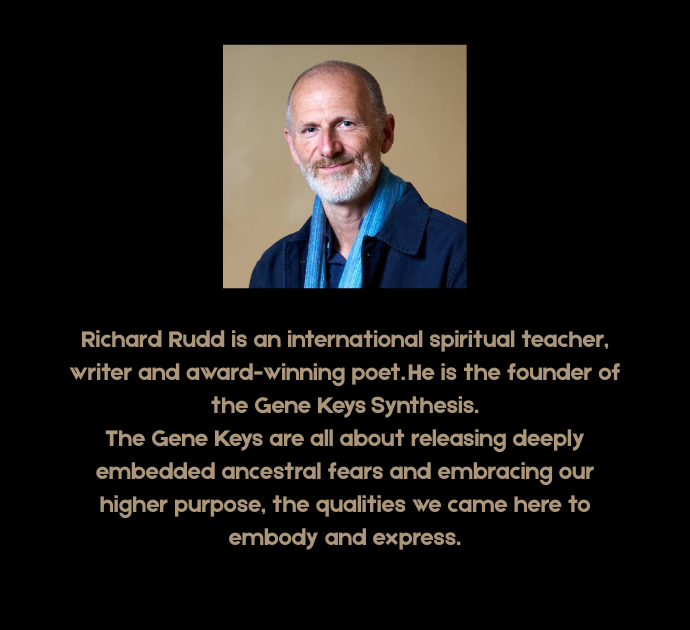
This paper explores the evolutionary path from hierarchy through heterarchy to synarchy, from structures based on power-over to structures based on power-with to structures based on power-through divine consciousness itself. As Richard Rudd teaches in the Gene Keys system, humanity is currently transitioning from the era of hierarchy through heterarchy toward synarchy, where power flows from the divine source through aligned beings into manifest service.
We stand at a crucial moment where the old hierarchical structures are crumbling, creating both tremendous danger and unprecedented opportunity. If we act with wisdom and courage, we can help birth organizational forms that serve life rather than death, love rather than fear.
Part I: The Shadow of Hierarchy – Understanding Our Current Crisis
The Nature of Hierarchical Consciousness
Hierarchical organization is based on fundamental assumptions that contradict agape consciousness:
Scarcity Consciousness: There isn’t enough power, resources, or recognition to go around, so some must have more while others have less. Competition becomes the default mode rather than collaboration.
Separation Thinking: Individual success and collective wellbeing are seen as fundamentally at odds. What benefits one person necessarily comes at the expense of others.
External Authority: Truth, wisdom, and legitimate power reside outside the individual, in experts or leaders who must be obeyed rather than questioned.
Mechanical Metaphors: Organizations are viewed as machines to be optimized rather than living systems to be nurtured, with human beings as interchangeable parts.
These assumptions create predictable patterns:
- Power concentration that disconnects decision-makers from consequences
- Information distortion as communications get filtered through command chains
- Innovation suppression when new ideas threaten existing power structures
- Human dehumanization where people are valued only for functional contributions
- Systemic brittleness that leads to eventual crisis and collapse
The Pathology of Corporate Hierarchy
Modern corporations exemplify hierarchical pathology. While they can create material value, their structure systematically corrupts human consciousness:
Shareholder Primacy prioritizes abstract financial metrics over human wellbeing and ecological health. Quarterly Thinking prevents the long-term perspective needed for complex challenges. Competitive Individualism destroys the trust necessary for genuine community. Emotional Labor requires workers to suppress authentic feelings, causing psychological fragmentation.
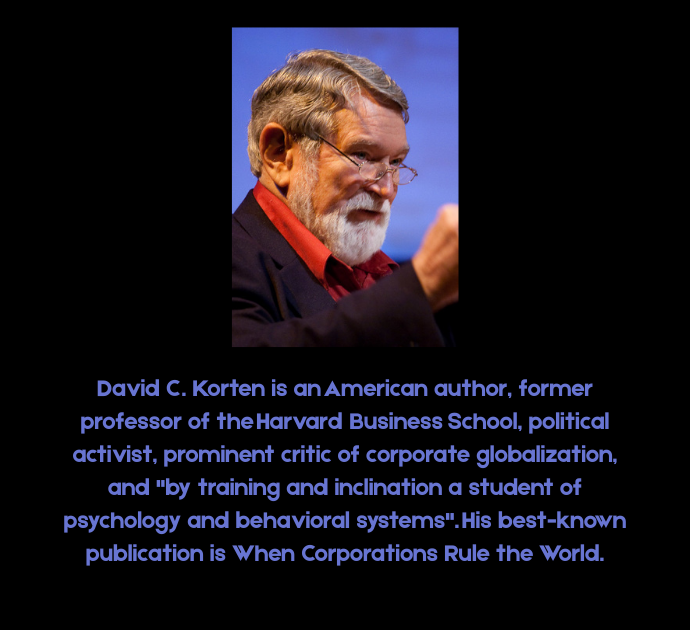
The result is what David Korten calls “a suicide machine”, a system that appears successful by its own metrics while destroying the conditions necessary for long-term survival.
The Failure of Reform from Within
Many well-intentioned people have attempted to reform hierarchical systems through “servant leadership,” “corporate social responsibility,” and “conscious capitalism.” While these may produce marginal improvements, they fail to address fundamental structural problems because they leave the basic hierarchical framework intact.
Structural Determinism means the organization’s structure largely determines its behavior regardless of individual personalities. Co-optation Mechanisms allow hierarchical systems to absorb reform efforts by adopting the language of change while maintaining the substance of domination.
Part II: The Bridge Phase – Understanding Heterarchy
What is Heterarchy?
Heterarchy represents a crucial transitional phase between hierarchy and synarchy. Where hierarchy features rigid top-down control and synarchy flows through divine alignment, heterarchy is characterized by distributed power and horizontal collaboration.
In heterarchical systems:
- Power is distributed among multiple nodes rather than concentrated at the top
- Roles are flexible based on expertise, passion, and situational needs
- Networks replace chains of command
- Solutions arise from collective intelligence rather than predetermined plans
- Diversity is valued as a source of strength
The Gifts and Limitations of Heterarchy
Heterarchy offers significant advantages: adaptive capacity through distributed decision-making, creative innovation through diverse perspectives interacting freely, resilient redundancy preventing single points of failure, enhanced human dignity, and collective intelligence that exceeds individual capability.
However, heterarchy alone is insufficient. Without spiritual foundation, it can devolve into consensus paralysis where groups become stuck in endless discussion, tyranny of the minority where vocal individuals dominate, lowest common denominator decisions that satisfy no one fully, energy drain from constant negotiation, and lack of direction without clear leadership or spiritual alignment.
Successful Examples
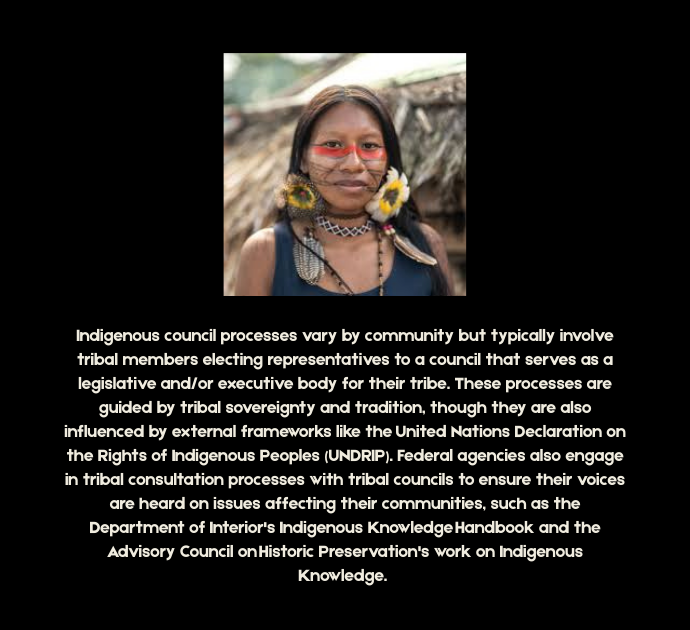
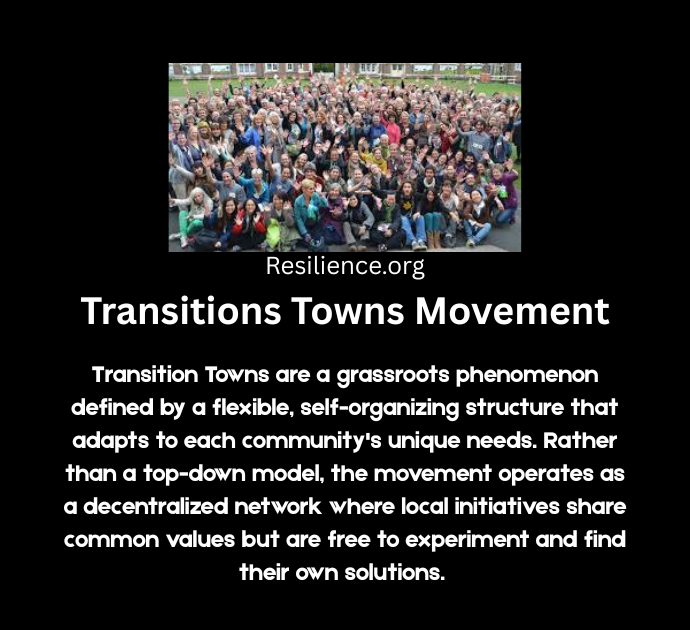
Despite limitations, many organizations demonstrate heterarchical power: Open Source Software Development like Linux and Wikipedia, Sociocracy and Holocracy organizational technologies, Transition Towns Movement for local climate responses, Burning Man temporary autonomous zones, and Indigenous Council Processes honoring every voice while maintaining spiritual connection.
The Evolutionary Role
Heterarchy serves as a crucial bridge by deconstructing unconscious authority submission, developing collaboration skills, experimenting with alternatives, building trust, and preparing for synarchy by learning to coordinate human will without external coercion.
Part III: The Vision of Synarchy – Organization as Spiritual Practice
Understanding Synarchy Through the Gene Keys
Richard Rudd’s Gene Keys framework reveals synarchy as the organizational expression of enlightened consciousness. Synarchy emerges when human organizations function as living expressions of divine intelligence rather than collections of individual egos pursuing separate agendas.
The transition involves three crucial shifts:
- From Ego to Essence: Identifying with spiritual nature rather than personality-based desires
- From Separation to Unity: Dissolving illusions of fundamental separation
- From Control to Flow: Trusting life’s inherent intelligence rather than needing to control outcomes
The Principles of Synarchical Organization
Synarchy operates according to fundamentally different principles:
Divine Alignment: All organizational activity aligns with divine purpose perceived through collective spiritual discernment rather than individual ego or group consensus.
Sacred Service: Work becomes spiritual practice, with each person contributing unique gifts in service of the whole.
Organic Timing: Action based on attunement to natural rhythms and divine timing rather than artificial deadlines.
Fluid Authority: Leadership arises spontaneously from those most aligned with divine guidance in each moment.
Evolutionary Purpose: The organization exists to serve consciousness evolution rather than maintain existing structures or maximize material gains.
Love-Based Decision Making: Choices made from agape consciousness – serving the highest good of all beings.
Case Study: The Findhorn Community
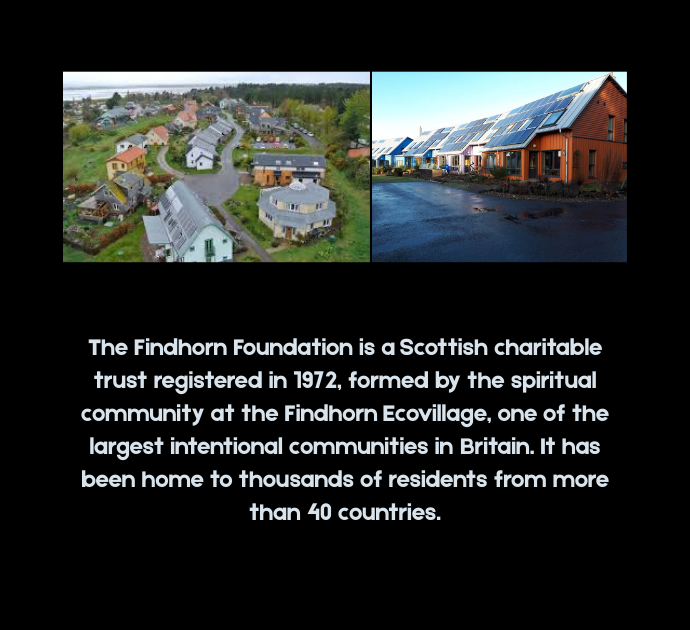
Findhorn Community in Scotland provides well-documented synarchical principles in action. Founded in the 1960s as an experiment in divine guidance applied to community life, key elements included:
- Inner Listening: Major decisions through collective attunement to divine guidance
- Work as Love in Action: All tasks approached as spiritual service and growth opportunities
- Co-creation with Nature: Gardens developed through conscious partnership with plant spiritual essence
- Rotating Leadership: Different individuals leading based on guidance for specific projects
- Conflict as Spiritual Curriculum: Disagreements viewed as growth opportunities
- Economic Sharing: Resources shared based on need and guidance rather than accumulation
While Findhorn has evolved and faced challenges, it demonstrated that synarchical principles could work practically and create genuine alternatives.
Part IV: The Sacred Masculine and Feminine Balance
The Energetic Foundation
The sacred dance between feminine and masculine energies, as revealed in Kabalistic wisdom, forms the foundation of all healthy creation. Every organizational structure embodies energetic patterns corresponding to masculine and feminine principles – universal energetic principles within all beings and systems, not gender-based categories.
Masculine Energy in organizations provides structure and direction, focus and purposeful action, protective boundaries and standards, clear decision-making, and analytical thinking.
Feminine Energy provides flow and adaptability, intuitive wisdom and holistic perception, nurturing support and inclusion, creative innovation and emergence, and relationship building.
The Masculine Distortion in Hierarchy
Traditional hierarchies are dominated by distorted masculine energy, masculine principles corrupted by disconnection from feminine complement and divine source: rigid control instead of protective boundaries, domination instead of purposeful leadership, competition instead of focused achievement, exploitation instead of stewardship, aggression instead of protective strength.
The Integration Challenge
Neither masculine-dominated hierarchy nor feminine-reactive heterarchy provides stable foundation for organizational evolution. What’s needed is conscious integration of both principles in healthy expressions.
Sacred Masculine energy provides clear direction without domination, protective structure without rigidity, decisive action while remaining open to input, maintaining standards while honoring uniqueness, and channeling power in service of love.
Sacred Feminine energy offers intuitive guidance without manipulation, inclusive space while maintaining discernment, nurturing growth without enabling dependency, embracing change while preserving wisdom, and flowing with natural timing while supporting purposeful action.

Synarchy as Masculine-Feminine Dance
True synarchy emerges when masculine and feminine energies dance together in conscious partnership, both grounded in divine love. This creates organizations that are both structured and flexible, decisive and receptive, focused and holistic, individual and collective, practical and visionary.
Part V: Practical Steps for Organizational Evolution
Transforming Existing Organizations
Most readers work within hierarchical organizations. The key is working with “emergence through urgency” – demonstrating that synarchical approaches work better at solving problems organizations face.
1st Step: Build Your Own Practice
- Daily meditation for inner guidance connection
- Shadow work examining domination and submission patterns
- Study alternative organizational models
- Experiment with synarchical principles in small situations
- Connect with like-minded community
2nd Step: Find Allies and Create Experiments
- Build informal networks across departmental boundaries
- Propose pilot projects in collaborative decision-making
- Organize learning groups focused on organizational evolution
- Create retreat experiences for deeper dialogue
- Connect with other experimenting organizations
3rd Step: Demonstrate Results Show how collaborative approaches produce better outcomes, increase innovation, enhance engagement, save costs, and reduce risks.
4th Step: Scale Gradually Extend successful practices department-wide, modify policies, develop training programs, help leadership understand distributed benefits, and address underlying hierarchical beliefs.
Creating New Synarchical Organizations
Foundational Elements:
- Purpose Clarity: Deep discernment about divine purpose
- Membership Process: Selecting spiritually committed participants
- Governance Structure: Decision-making integrating individual and collective wisdom
- Economic Model: Financial systems serving purpose rather than compromising principles
- Conflict Resolution: Clear processes for addressing disagreements as growth opportunities
- Growth Strategy: Expansion maintaining spiritual integrity
Successful Examples: Damanhur Community’s collective decision-making, Patagonia’s environmental activism and employee empowerment, Interface Inc.’s regenerative principles, Transition Towns’ self-organization, and Enspiral Network’s collaborative innovation.
Part VI: The Call to Evolutionary Leadership
The Larger Context
The transition from hierarchy through heterarchy to synarchy occurs within the larger context of human consciousness evolution, involving parallel streams: consciousness evolution toward post-conventional awareness, social evolution toward love-based relationships, economic evolution toward regenerative systems, political evolution toward wisdom-based governance, ecological evolution toward beneficial human participation, and technological evolution supporting consciousness development.
Navigating the Transition Period
The collapse of hierarchical systems and gradual emergence of synarchical alternatives will likely feature significant instability. System Breakdown will make hierarchical institutions increasingly dysfunctional. Polarization will increase as traditional meaning sources collapse. Innovation Acceleration will stimulate rapid alternative experimentation. Consciousness Awakening will force more people to question fundamental assumptions. Community Building will become more important as global systems become unreliable.
Navigation Strategies: Build bridges across divides based on shared spiritual principles, demonstrate alternatives rather than just critiquing existing systems, prepare personal and community resilience, practice patience recognizing evolution occurs over decades, stay grounded balancing vision with practical action, and cultivate hope maintaining faith in humanity’s transformation potential.
Your Personal Call to Service
Each reader carries unique gifts needed for this transformation. The emergence of synarchical civilization requires your specific contribution. Some are called to be pioneers creating new organizations, others to be bridges translating principles into existing institutions, still others to be nurturers supporting those engaged in transformation work.
The call may come through inner guidance, outer circumstances crying out for conscious approaches, encounters with like-minded others, crisis forcing alternative seeking, or study igniting imagination about possibilities.
The Ripple Effects of Conscious Action
When even small numbers embody synarchical principles consistently, effects ripple out transforming entire systems through demonstration rather than preaching. Individual Transformation occurs in people working in synarchical organizations. Family Healing flows from developed qualities of deep listening and collaborative decision-making. Community Evolution emerges through self-organization. Cultural Shift moves from competition to collaboration consciousness. Economic Transformation creates new collaborative models. Political Evolution advances toward participatory wisdom-based governance.
The Sacred Nature of Organizational Work
Organizational transformation is inherently sacred work – participating in divine consciousness evolution itself. Every meeting facilitated with love, every decision through collective wisdom, every conflict transformed through understanding is a sacred act contributing to world healing.
This transforms motivation from ambition to devotion, from personal achievement to sacred service. We work not for recognition but because we’re called to offer gifts in service of love’s transformation.
Conclusion: The Time of Great Choosing
We live through perhaps the most important transition in human history. Choices made in coming decades will determine whether human civilization evolves toward highest potentials or collapses under its contradictions.
The organizational forms we create will play crucial roles in determining which future emerges. Will we continue organizing through domination, competition, and exploitation? Or will we develop collaboration based on love, wisdom, and service to life?
The answer depends on each of us individually and all collectively. It requires willingness to do inner work embodying synarchical consciousness, commitment to creating practical alternatives demonstrating new possibilities, and persistence continuing this work when progress seems slow.
Most importantly, it requires faith that love is the universe’s fundamental force, that consciousness evolves toward greater wisdom and compassion, and that we’re called to serve as instruments of this divine transformation.
The future of human civilization rests in our hands. The time for hesitation is over. The time for action is now.
May we prove worthy of life’s trust. Let our organizations become temples of love serving all beings. And our work contribute to the great turning toward a world that works for everyone.
The synarchical future is not utopian dream but practical possibility awaiting our commitment to make it real. Let us begin today, where we are, with what we have, in service of love seeking to transform our world through us.
This paper is offered as a seed for contemplation and action. May it take root in fertile hearts and flourish into organizations of light illuminating the path for all humanity.
Prepared by the Agape Covens Community
In service to the Great Transition
High Priestess Agape Covens
Founder of the Crossroads Movement
Continue to Paper III: Regenerative Economics and Sacred Exchange
In our next paper, we explore how these organizational principles can be expressed through economic systems that enhance rather than degrade the web of life, creating material abundance through spiritual alignment rather than exploitation and scarcity.
The Agape Revival of Universal Love: Paper 3