A Four-Paper Series on Transforming Civilization Through Universal Love
Building Resilient Sacred Communities
Creating Islands of Sanity in an Ocean of Chaos
A Call to Spiritual Practitioners and Conscious Communities
Introduction: From Theory to Living Practice
Fellow spiritual practitioners and consciousness pioneers, we have journeyed together through understanding our civilizational crisis (Paper I). We explored new organizational forms (Paper II). And reimagined economics through sacred principles (Paper III). Now we arrive at the crucial moment of translating these insights into living communities that can serve as beacons of hope and practical demonstrations that another way is possible.
This final paper addresses the most challenging and rewarding aspect of our work. The actual creation of resilient sacred communities that embody agape love in every aspect of daily life. These communities serve multiple purposes. They are laboratories for experimenting with new forms of human organization. Refuges for those seeking to escape the toxicity of totalitarian democracy. Training grounds for developing the skills needed for regenerative civilization. And most importantly, they are demonstrations that humans can live in harmony with each other and the Earth when guided by divine love rather than fear.
As we established earlier, there must be a structure in place before the present totalitarianism self-destructs. Our children and future descendants are depending on our diligence. The communities we build today become the seeds of tomorrow’s civilization. They are the arks that carry the best of human wisdom through the turbulent transition period we are in.
The time has come for us to embrace our role as cultural healers and civilizational architects. Time to manifest the sacred enterprises, awakened communities, and whole families that will illuminate the path for all who follow. This is not escapism but the most practical form of activism. We are building the new world within the shell of the old, and demonstrating through our lives that love is more powerful than fear. That cooperation creates more abundance than competition, & that humans can organize themselves in ways that honor both individual sovereignty and collective wellbeing.
Part I: Understanding Sacred Community
Beyond Intentional Communities to Sacred Purpose
Many well-meaning attempts at alternative community have failed because they focused on external arrangements, like shared housing, consensus decision-making, and sustainable technology. All without addressing the fundamental spiritual work required for authentic community. Sacred communities begin with shared commitment to consciousness evolution and service to divine love. The understanding that external structures must emerge from internal transformation.
Sacred communities are distinguished by several essential characteristics:
Divine Purpose: The community exists to serve something greater than the comfort and preferences of its members. Whether expressed in religious language or secular terms, there is recognition that the community serves the evolution of consciousness and the healing of the world.
Individual Sovereignty within Collective Harmony: Members maintain their unique gifts, perspectives, and spiritual paths while aligning with shared values and common purpose. Unity does not require uniformity.
Commitment to Growth: Everyone in the community commits to ongoing personal development, shadow work, and spiritual practice. Conflict and challenge are welcomed as opportunities for deeper understanding and healing.
Ecological Integration: The community sees itself as part of the larger web of life, designing all activities to enhance rather than degrade the natural systems that sustain them.
Cultural Creativity: Rather than simply rejecting mainstream culture, the community creates new forms of art, ritual, celebration, and meaning-making that nourish the soul and inspire the spirit.
Economic Justice: Resources are shared in ways that ensure everyone’s genuine needs are met while preventing excessive accumulation by any individual.

The Five Pillars of Resilient Sacred Community
Drawing from successful examples worldwide and ancient wisdom traditions, resilient sacred communities are built upon five foundational pillars:
1. Spiritual Foundation and Shared Practice
Every sacred community needs regular practices that connect members with divine guidance and with each other on the deepest levels:
Daily Spiritual Practice: Whether meditation, prayer, ceremony, or contemplation, members commit to daily connection with the source of love and wisdom.
Weekly Community Ritual: Regular gatherings that strengthen bonds between members and align the group with its highest purpose. This might be worship, circle council, group meditation, or other practices appropriate to the community’s spiritual orientation.
Seasonal Celebrations: Marking the natural rhythms of the year through festival, ceremony, and celebration that connect the community to the larger cycles of nature and cosmos.
Rites of Passage: Conscious practices for marking major life transitions, birth, coming of age, marriage, elderhood, death, that honor the sacred dimensions of human development.
Conflict Transformation: Spiritual approaches to disagreement and tension that view conflict as sacred curriculum for individual growth and community deepening.
2. Regenerative Economics and Resource Sharing
As established in Paper III, sacred communities require economic systems based on gift, reciprocity, and regeneration rather than extraction and accumulation:
Community Land Trusts: Land held collectively and permanently removed from speculation, ensuring affordability for future generations while preventing individual ownership of the Earth.
Resource Sharing Systems: Tool libraries, community kitchens, shared vehicles, and other arrangements that reduce individual consumption while providing abundance for all.
Gift Economy Integration: Regular opportunities for members to offer and receive gifts freely, practicing the consciousness of abundance and mutual support.
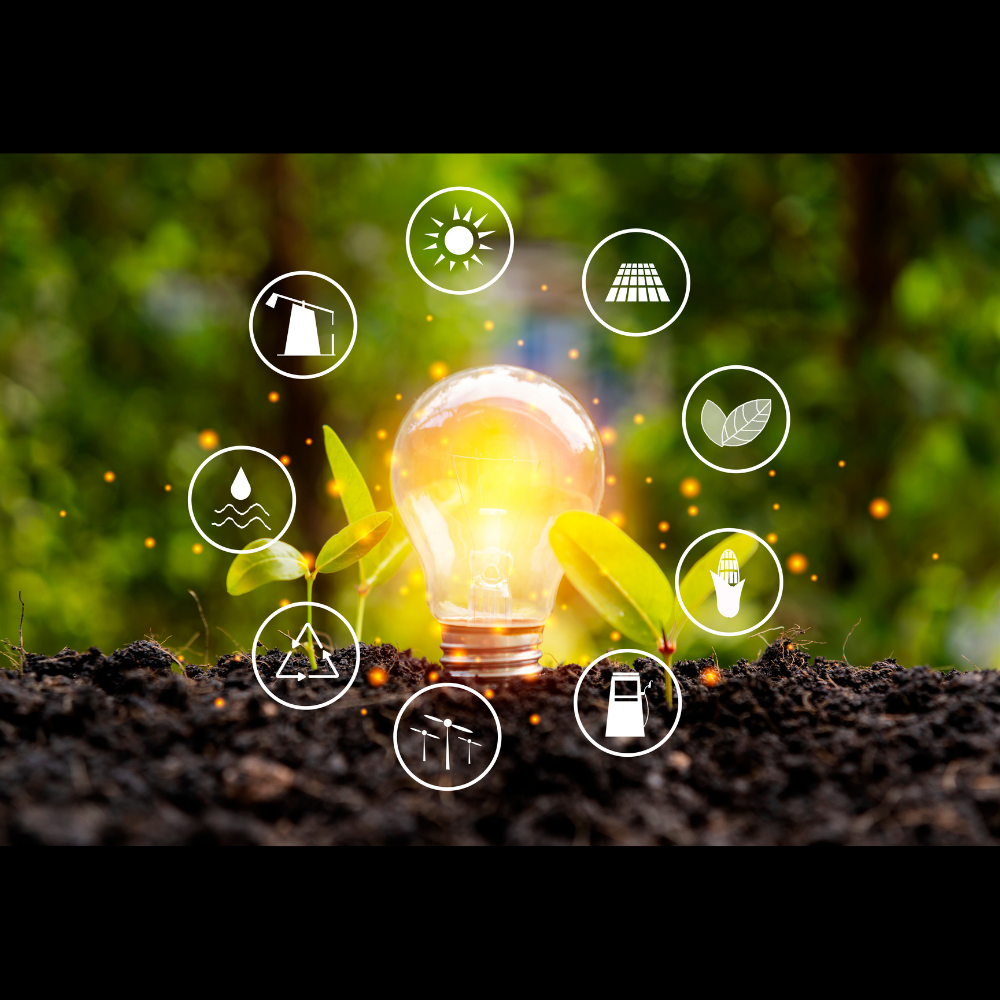
Local Production: Food gardens, craft workshops, renewable energy systems, and other productive activities that meet community needs while building local resilience.
External Economic Interface: Ethical ways of earning income from the broader economy to support community needs while maintaining spiritual integrity.
3. Ecological Design and Regenerative Living
Sacred communities serve as demonstrations of how humans can live in harmony with natural systems:
Permaculture Design: Agricultural and settlement patterns that work with natural processes to create abundance while building soil, cleaning water, and supporting biodiversity.
Natural Building: Construction using local materials and traditional techniques that create beautiful, healthy living spaces with minimal environmental impact.
Renewable Energy: Community-owned solar, wind, micro-hydro, or other systems that provide clean energy independence.
Water Stewardship: Rainwater harvesting, greywater recycling, and natural wastewater treatment that protect and enhance local watersheds.
Zero Waste Systems: Circular resource flows where every output becomes input for another process, eliminating the concept of waste.
4. Education and Wisdom Transmission
Sacred communities take responsibility for educating their children and supporting the learning of all members:
Whole-Child Education: Learning approaches that honor intellectual, emotional, physical, and spiritual development rather than focusing solely on academic achievement.
Intergenerational Learning: Opportunities for elders to share their wisdom and skills with younger generations while learning new perspectives and technologies.
Place-Based Learning: Education connected to local ecology, history, and culture rather than abstract academic subjects divorced from real life.
Skill Sharing: Regular opportunities for community members to teach and learn practical abilities needed for resilient living.
Spiritual Education: Transmission of wisdom traditions, meditation techniques, and consciousness practices that support individual growth and community harmony.
5. Governance and Decision-Making
Sacred communities develop decision-making processes that honor both individual wisdom and collective guidance:
Circle Council: Regular gatherings where every voice is heard and decisions emerge through patient dialogue rather than debate and voting.
Consensus Building: Processes that ensure all members can support decisions even when they don’t enthusiastically agree with every aspect.
Rotating Leadership: Different individuals taking leadership roles based on their gifts and the community’s evolving needs rather than permanent hierarchical positions.
Conflict Resolution: Clear processes for addressing disagreements and interpersonal tensions in ways that strengthen rather than fragment community bonds.
Interface with Larger Systems: Ethical engagement with local government, regional organizations, and global networks while maintaining community autonomy and values.
Part II: Models of Sacred Community Development
The Transition Towns Approach
The Transition Towns movement, pioneered by Rob Hopkins, provides a practical model for transforming existing communities toward greater resilience and sustainability:
Local Resilience: Reducing dependence on global supply chains by developing local capacity for meeting essential needs including food, energy, transportation, and basic manufacturing.
Reskilling Initiatives: Teaching practical skills that our great grandparents took for granted but our generation has largely lost. Food preservation, natural building, herbal medicine, & repair and maintenance.
Economic Re-localization: Creating local currencies, buying clubs, community-supported agriculture, and other systems that keep wealth circulating within the community.
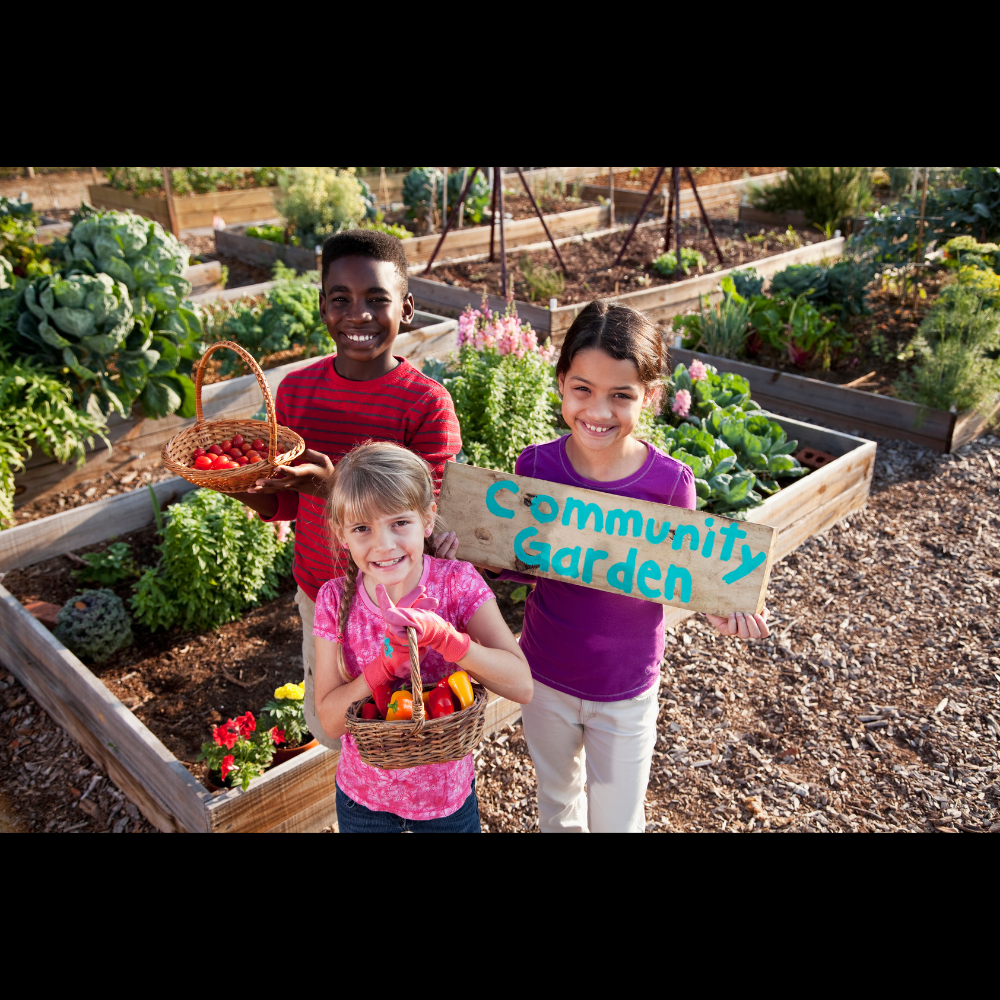
Community Gardens and Food Forests: Transforming unused urban and suburban land into productive food systems that build soil, community, and food security simultaneously.
Energy Descent Action Plans: Community-developed strategies for reducing energy consumption while maintaining quality of life. Preparing for the inevitable transition beyond fossil fuels.
The Intentional Community Spectrum
Different individuals and families are called to different levels of community involvement. Understanding this spectrum helps prevent the “all-or-nothing” thinking that often prevents people from taking first steps:
Urban Community Houses: Shared housing in cities where individuals maintain separate incomes and some privacy while sharing common spaces, meals, childcare, and decision-making.
Cohousing Communities: Neighborhoods designed to encourage interaction and mutual support while preserving individual family autonomy and privacy.
Ecovillages: Rural communities focused on ecological design, sustainable living, and spiritual practice, with varying degrees of income and resource sharing.
Commune Revival: Full economic sharing and collective decision-making for all major life choices, based on spiritual unity and shared purpose.
Bioregional Networks: Connections between multiple communities within a natural ecological region, sharing resources and supporting each other’s development.

The Monastic Wisdom Tradition
Traditional monasteries provide valuable insights for contemporary sacred communities:
Stability: Commitment to staying and working through challenges rather than leaving when things get difficult.
Conversion of Life: Ongoing commitment to personal transformation and spiritual growth.
Obedience: Not blind submission to authority, but deep listening to divine guidance as it emerges through community discernment.
Sacred Rhythm: Balancing prayer, work, study, and community life in ways that support both individual development and collective flourishing.
Hospitality: Welcoming visitors and strangers as opportunities to practice love and learn from different perspectives.
Simplicity: Living with only what is needed, finding abundance through spiritual richness rather than material accumulation.
Part III: Practical Steps for Community Building
Starting Where You Are: Household and Neighborhood
Most sacred community development begins with transforming existing relationships and living situations:
Household Evolution: Whether with family, friends, or housemates, beginning to practice the principles of sacred community in daily life, shared meals, decision-making processes, conflict resolution, & spiritual practice.
Neighborhood Connection: Getting to know immediate neighbors, organizing block parties, starting community gardens, creating mutual aid networks for emergencies and ongoing support.
Local Engagement: Participating in existing community organizations, local government, and volunteer activities while bringing consciousness and spiritual principles to these involvements.
Skill Sharing Networks: Organizing opportunities for neighbors to teach and learn practical abilities, building community capacity and relationships simultaneously.
The Community Garden as Training Ground
Community gardens provide ideal laboratories for developing sacred community skills:
Shared Decision-Making: Learning to make collective choices about what to plant, how to manage resources, and how to resolve conflicts that inevitably arise.
Gift Economy Practice: Sharing tools, seeds, harvest, and labor in ways that build abundance and mutual support rather than strict accounting of individual contributions.
Ecological Learning: Developing practical understanding of natural systems, seasonal cycles, and regenerative growing practices.
Intergenerational Connection: Bringing together people of different ages and backgrounds around shared purpose and mutual learning.
Ritual and Celebration: Creating ceremonies to mark planting, harvest, and seasonal transitions that connect practical work with spiritual meaning.
Creating Community Enterprises
Shared economic activities provide natural foundations for deeper community development:
Community-Supported Agriculture: Groups of families supporting local farmers while guaranteeing fresh, healthy food for members.
Worker Cooperatives: Businesses owned and controlled by their workers, demonstrating democratic economics and shared prosperity.
Community Kitchens: Shared spaces for food processing, preservation, and celebration that build skills while strengthening relationships.
Tool Libraries: Community ownership of tools and equipment that reduces individual costs while encouraging skill development and mutual aid.
Maker Spaces: Workshops equipped for woodworking, metalworking, electronics, and other crafts that support local production and creativity.
The Role of Ceremony and Celebration
Sacred communities understand that humans need beauty, meaning, and celebration to thrive:
Seasonal Festivals: Marking solstices, equinoxes, and other natural cycles through music, dance, feast, and ceremony that connect the community to cosmic rhythms.
Life Transitions: Creating meaningful rites of passage for births, coming of age, marriages, anniversaries, and deaths that honor the sacred dimensions of human existence.
Community Achievements: Celebrating completed projects, resolved conflicts, and individual growth in ways that strengthen group bonds and inspire continued development.
Cultural Creation: Developing unique traditions, songs, stories, and artistic expressions that give the community its own identity and meaning.
Healing Circles: Gatherings focused on emotional healing, conflict resolution, and spiritual growth that address the shadow aspects of community life.
Part IV: Navigating Challenges and Building Resilience
The Shadow Side of Community
Every authentic community faces predictable challenges that must be addressed skillfully:
Personality Conflicts: Different communication styles, values, and ways of being that create friction and require ongoing negotiation and understanding.
Power Dynamics: Informal hierarchies and influence patterns that develop despite intentions toward equality, requiring conscious attention and periodic reorganization.
Economic Pressures: Financial challenges that test the community’s commitment to its values and create stress around resource allocation.
Burnout and Overwhelm: The tendency for enthusiastic members to take on too much responsibility, leading to exhaustion and resentment.
Spiritual Bypassing: Using spiritual concepts to avoid dealing with practical problems or interpersonal conflicts.
Growth Challenges: Difficulties in maintaining community culture and decision-making processes as membership increases.
Conflict as Sacred Curriculum
Healthy sacred communities develop specific approaches to conflict that transform disagreement into opportunities for deeper understanding:
Nonviolent Communication: Skills for expressing needs and hearing others’ needs without blame, judgment, or demand.
Circle Process: Structured dialogue that ensures every voice is heard and seeks understanding rather than victory.
Mediation and Facilitation: Training community members in conflict resolution skills so external intervention is rarely needed.
Restorative Justice: Approaches to harm and wrongdoing that focus on healing relationships rather than punishment.
Shadow Work: Recognition that interpersonal conflicts often reflect internal conflicts that each person needs to address.

Economic Sustainability and Growth
Sacred communities must develop sustainable economic models that support their values while meeting material needs:
Multiple Income Streams: Diversified economic activities that reduce dependence on any single source of revenue.
Value-Added Production: Creating products and services that earn higher income than raw materials or simple services.
External Partnerships: Relationships with sympathetic organizations and individuals who support the community’s mission through purchases, donations, or collaboration.
Endowment Building: Long-term wealth building through land ownership, renewable energy systems, and other assets that provide ongoing income.
Gift Economy Balance: Maintaining the spirit of generosity while ensuring that everyone’s genuine needs are met and no one is exploited.
Building Networks and Alliances
Isolated communities are vulnerable communities. Resilience comes through connection with broader networks:
Bioregional Alliances: Partnerships with other communities in the same ecological region for resource sharing, mutual support, and collective action.
Movement Networks: Connections with organizations working on related issues, social justice, environmental protection, spiritual renewal, economic alternatives.
Educational Partnerships: Relationships with schools, universities, and training programs that provide learning opportunities and cultural exchange.
Political Engagement: Ethical involvement in local and regional politics to create supportive policies and prevent hostile interference.
Global Connections: Participation in international networks of communities and movements working toward similar goals.
Part V: The Great Work of Our Time
Communities as Cultural Healing Centers
Sacred communities serve functions far beyond providing alternative lifestyles for their members. They are cultural healing centers working to repair the damage done by centuries of separation, domination, and ecological destruction. They are healing:
The Human-Nature Relationship: Demonstrating that humans can live as beneficial members of ecological communities rather than as parasites or destroyers.
Gender Relationships: Creating cultures where sacred masculine and feminine energies can express themselves fully and dance together in creative partnership rather than competing for dominance.
Economic Relationships: Showing that abundance comes through sharing and cooperation rather than accumulation and competition.
Intergenerational Trauma: Breaking cycles of abuse, neglect, and spiritual wounds that have been passed down through families and cultures for generations.
Racial and Cultural Divisions: Creating spaces where people from different backgrounds can come together around shared values while honoring their unique gifts and perspectives.
Preparing for the Great Transition
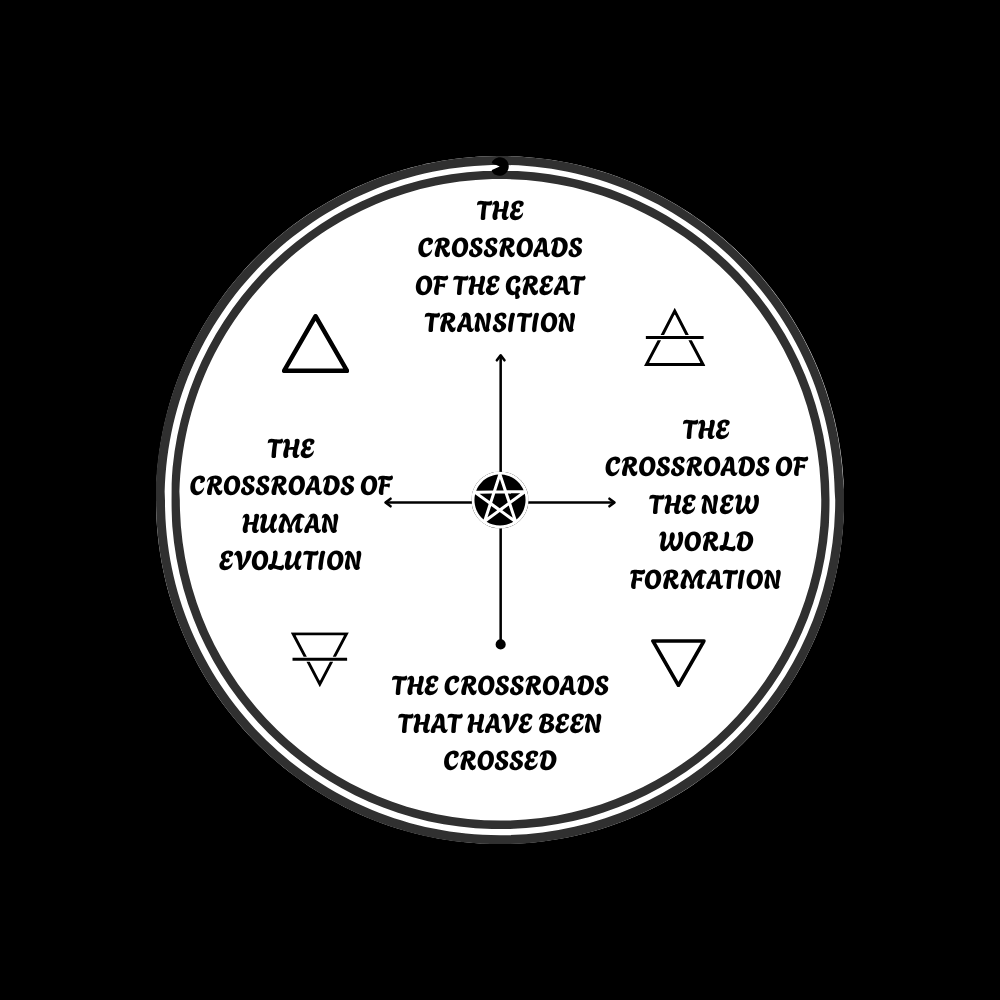
We are entering a period of unprecedented change as the old civilization collapses and a new one struggles to be born. Sacred communities serve as training grounds for navigating this transition:
Resilience Skills: Developing practical abilities needed when global systems become unreliable, food production, natural building, herbal medicine, conflict resolution, spiritual practice.
Emotional Resilience: Learning to maintain inner peace and loving relationships even during times of external chaos and uncertainty.
Community Resilience: Creating mutual support networks that can provide security and meaning when larger systems fail.
Spiritual Resilience: Maintaining connection to divine love and guidance even when faced with loss, change, and uncertainty.
Cultural Resilience: Preserving and creating cultural forms, stories, songs, ceremonies, traditions, that provide meaning and continuity across generations.
The Ripple Effects of Sacred Community
When communities successfully embody agape consciousness, their influence extends far beyond their physical boundaries:
Inspiration and Hope: Demonstrating to others that alternative ways of living are possible, providing hope during dark times.
Model Replication: Other communities adopting successful practices and adapting them to their own circumstances and cultural contexts.
Policy Influence: Showing policymakers viable alternatives that can inform legislation and government programs.
Economic Innovation: Developing new economic models that can be scaled up and applied in larger systems.
Cultural Renaissance: Creating art, music, literature, and other cultural expressions that inspire and guide the broader culture.
Consciousness Evolution: Contributing to the global awakening of human potential and the recognition of our interconnection with all life.
Conclusion: Your Call to Sacred Community
The Time of Great Choosing
Fellow practitioners, we stand at the most important moment in human history. The choices we make in the next decade will determine whether human civilization evolves toward its highest potentials or collapses under the weight of its contradictions. The communities we build today become the seeds of tomorrow’s world.
You who feel called to this work are not alone. Across the planet, in countless locations, souls are awakening to their role as community builders and culture creators. The same divine love that called the prophets and mystics of every tradition is calling us to serve as midwives for the birth of sacred civilization.
Your Unique Role in the Great Work
Each person reading these words carries gifts that are essential for this transformation. The question is not whether you are qualified or ready, but whether you will answer the call with courage and commitment:
Community Founders are called to gather others around shared vision and create new communities from the ground up.
Community Joiners are called to find existing communities that align with their values and contribute their gifts to collective development.
Household Transformers are called to begin practicing sacred community principles with family, friends, and housemates in existing living situations.
Neighborhood Organizers are called to build community where they are, creating connections and mutual support among neighbors.
Bridge Builders are called to connect different communities and movements, facilitating resource sharing and mutual learning.
Culture Creators are called to develop new forms of art, ritual, and celebration that nourish the soul and inspire transformation.
Skill Sharers are called to teach practical abilities needed for resilient living while learning from others.
Resource Providers are called to support community development through financial contributions, land sharing, or other material assistance.

The Sacred Promise We Make
When we commit to building sacred communities, we make a promise not only to ourselves and each other, but to all life. We commit to:
The Earth: We promise to live in ways that heal and regenerate the ecological systems that sustain us.
Future Generations: We promise to create communities that will provide examples and inspiration for those who come after us.
Our Ancestors: We promise to honor their wisdom and sacrifices by creating the peaceful, beautiful world they dreamed of but couldn’t achieve.
The Divine: We promise to serve as instruments of love, creating communities that reflect heaven on Earth.
Each Other: We promise to show up authentically, work through challenges with patience and compassion, and support each other’s highest development.
The Magic of Beginning
The path ahead may seem daunting, but every great transformation begins with ordinary people making extraordinary commitments. You don’t need to have all the answers or wait for perfect conditions. You need only to begin where you are, and with what you have, in service of the love that seeks to express itself through you.
The first step might be as simple as:
- Starting a conversation with a neighbor about shared values
- Organizing a potluck dinner focused on community visioning
- Joining an existing community garden or starting a new one
- Attending a workshop on natural building or permaculture
- Beginning a meditation or spiritual practice group
- Creating a tool library or skill-sharing network
What matters is not the size of the first step but the intention behind it. When we act from love in service of life, the universe conspires to support us. Synchronicities appear, resources flow, and like-minded people emerge from unexpected places.
The Future is in Our Hands
We are the inheritors and architects of what comes next. The human journey spirals through recurring themes and crises until we finally grasp the deeper wisdom being offered. Let us now become the conscious creators of humanity’s next evolutionary leap.
The time of waiting is over. The time of building has begun. Our children and descendants are counting on us to demonstrate that humans can organize themselves through love rather than fear, cooperation rather than competition, and wisdom rather than ignorance.
We are the ones we have been waiting for. The ones who will guide humanity into tomorrow. And the ones who will create the businesses, communities and families of tomorrow.
This is our moment. Our calling. And our gift to the world.
The time of sacred community has begun.
This paper series is offered as a seed for contemplation and action. May it take root in fertile hearts and flourish into communities of light that illuminate the path for all humanity.
Prepared by the Agape Covens Community
In service to the Great Transition
High Priestess Agape Covens
Founder of the Crossroads Movement
End of Series
May these four papers serve as a roadmap for conscious communities worldwide. The transformation begins with each of us, extends through our relationships and communities, and ultimately serves the healing of our world. In love and service to all life.